REVIEW · SAN JUAN
Cerro de Sal Trekking
Book on Viator →Operated by Posta Inca Adventures Expeditions · Bookable on Viator
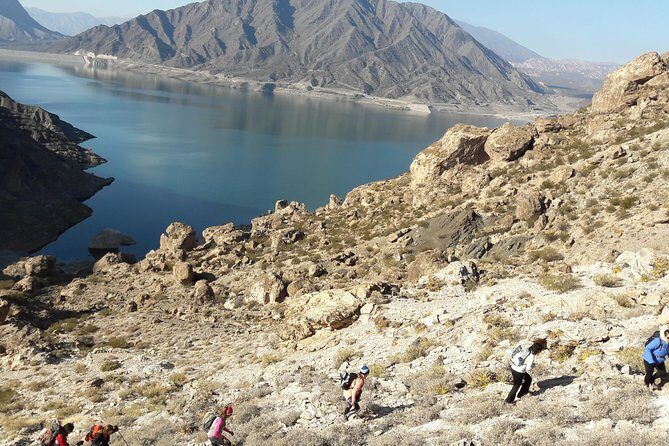
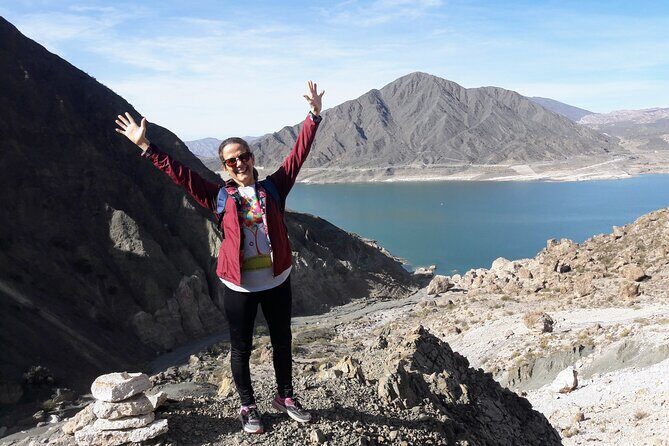
Salt hikes in San Juan feel like a geology museum you can walk. Cerro de Sal takes you away from town to salt country and the Quebrada de La Sal, with the kind of strange, briny shapes you don’t see anywhere else. The route also treats you to big panoramic moments over the Punta Negra Dam.
What I like most is the mix of scenery and on-the-ground explanations from guides such as Cristian (and sometimes Raul), who keep the walk moving and make the place make sense. I also like the practical setup: private transportation, trekking poles, and bottled water included for a straightforward half-day plan. The only real drawback to consider is that lunch and snacks are not included, so you’ll need to plan your own food if you get hungry during those 6 hours.
In This Review
- Cerro de Sal Trekking: salt country plus dam views
- Punta Negra Dam as your first major payoff
- Old mining route to salt dumps and Mina Abandonada vibes
- How hard is Cerro de Sal trekking, really?
- Your group size is the point: private tour, small comfort
- The guide experience: Cristian-style storytelling (and practical guidance)
- What’s included (and what you must bring)
- Price and value: is $85 a good deal?
- Weather, timing, and the day’s moving parts
- Who should book Cerro de Sal trekking?
- Should you book this salt-and-dam trek?
- FAQ
- How long is the Cerro de Sal trek?
- What time does the tour start, and where is the meeting point?
- Is pickup available?
- What’s included in the price?
- What food should I plan for?
- Is the tour offered in English?
- What happens if weather is bad?
Cerro de Sal Trekking: salt country plus dam views
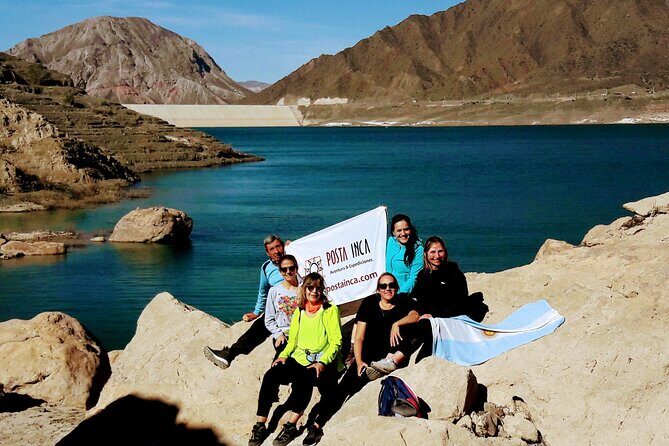
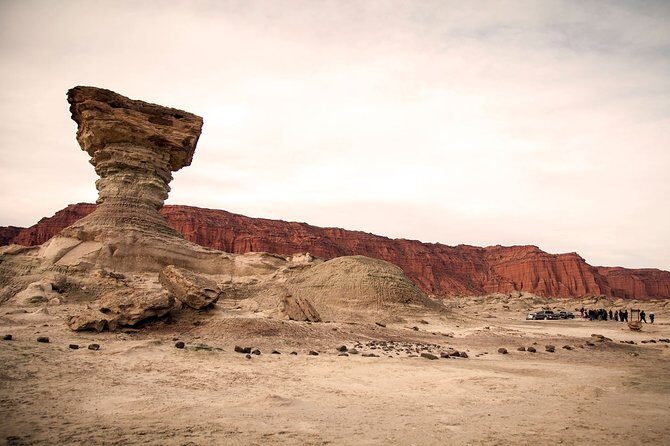
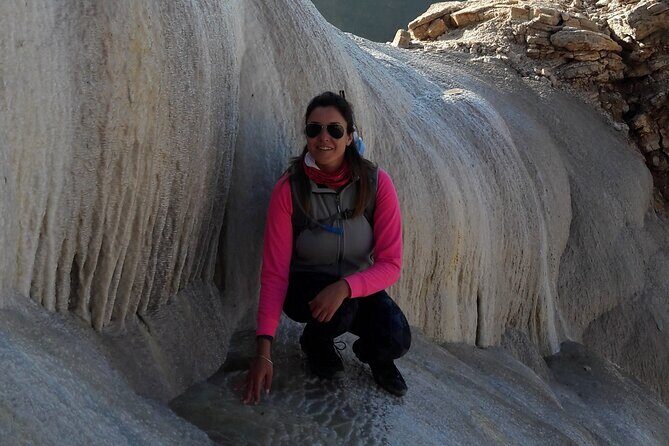
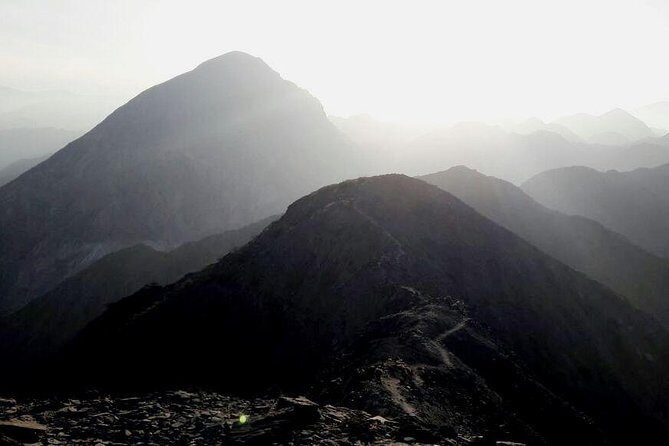
Cerro de Sal sits in the Ullúm department, about 40 km from San Juan. This is not just a hill walk. You’re going into Quebrada de La Sal, an area known for salt formations and an abandoned mine atmosphere, where the ground tells its story through layers and remnants.
In plain terms, the hike is a blend of physical effort and visual payoffs. One moment you’re walking an old mining route and spotting traces of the facilities that once operated there. Next you’re reaching salt dumps and steep slopes where the ground looks sculpted by mineral processes over time.
Punta Negra Dam as your first major payoff
The first scheduled stop is Punta Negra Dam, and that matters because it frames the whole day. You get a wide view that helps you understand the scale of the area and how the dam sits in the larger terrain.
Expect a guided rhythm: you’ll walk, pause, look, and learn what you’re actually seeing. Guides tend to connect the view to practical facts—where you are in relation to the hill, what stands out in the distance, and what to look for as you continue uphill.
One smart thing about this structure is that the dam stop gives you an early reward even if your pace is still warming up. By the time you’re deeper in the salt zone, you already feel like the trip is paying you back.
Other hiking tours in San Juan
Old mining route to salt dumps and Mina Abandonada vibes
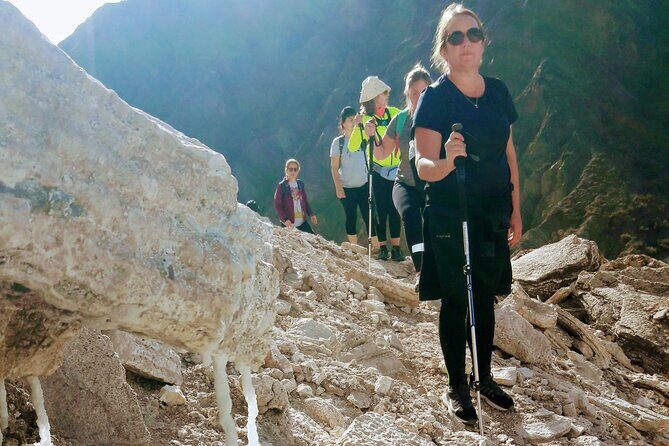
As the trek moves along, you’ll spend time on the old mining route. That stretch adds character because you’re not just walking through open land—you’re passing ruins and leftovers from past operations, the kind you can still spot at ground level.
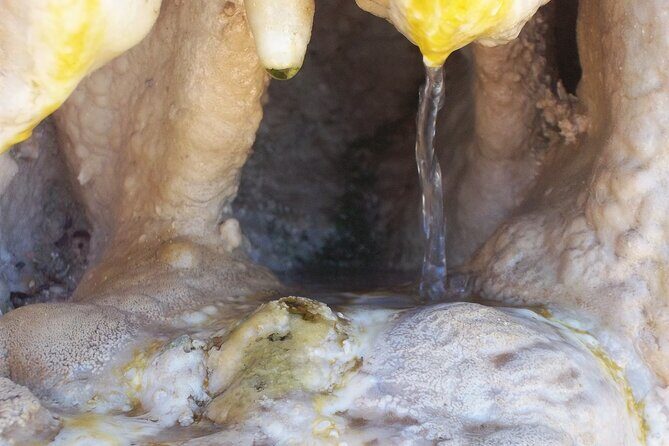
Then comes the part people talk about: the salt formations around the Quebrada de La Sal area. You’ll see salt-related features described as slopes and formations, and the hike includes access that feels tied to the abandoned mine setting, often referred to as Mina Abandonada.
What makes this section worth your attention is the way your eyes keep changing. Salt can look bright and ordinary in photos, but on the ground it takes on texture and shape. Even when the geology isn’t explained in technical terms, the guide’s pointing helps you read the terrain like a map.
And yes, there’s a chance the walk includes wildlife sightings. From what I’ve seen in the experience details, the area can have animals like guanaco when conditions and timing line up during the climb.
How hard is Cerro de Sal trekking, really?
This trek is listed as requiring moderate physical fitness, and the experience generally matches that label. The “moderate” part usually means you’ll have some steady climbing and uneven footing, but not a technical scramble.
From accounts of the trek style, much of the route is manageable walking, with moments that get more demanding as you gain elevation. Those tougher segments are exactly where having trekking poles becomes useful, especially on rocky or sloped stretches.
If you’re deciding whether it’s for you, use this simple filter: can you comfortably walk for several hours with some uphill segments? If yes, you’ll probably be fine.
Your group size is the point: private tour, small comfort
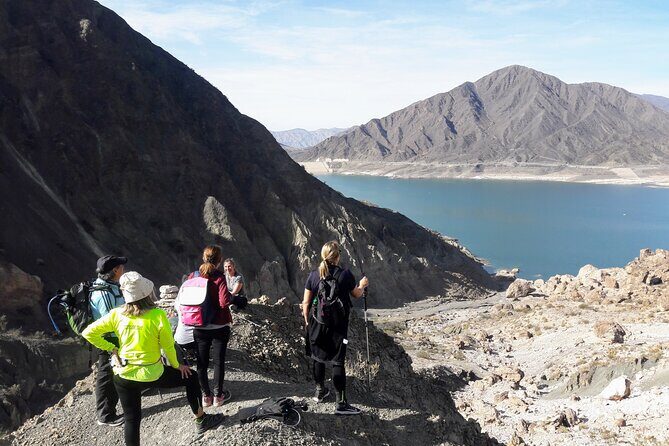
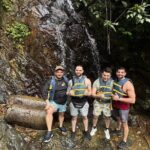
Cerro de Sal is run as a private tour/activity, meaning only your group participates. That changes the whole feel. You’re not squeezed into a big lineup or forced to match someone else’s speed.
You also get that service-level comfort that fits a guided nature day in Argentina: bottled water is included, trekking poles are provided, and the guides keep an eye on pacing and breaks. In practice, it means you’re more likely to get attention when someone needs to pause for water or rest.
Pickup is offered, and the activity starts at 10:00 am with a meeting point at Rastreador Calivar Sur 576, J5400 Rivadavia, San Juan, Argentina. The trek ends back at the meeting point, so you’re not guessing about how to get home after your hike.
The guide experience: Cristian-style storytelling (and practical guidance)
The reviews consistently highlight a very human factor: friendly, attentive guides who explain what you’re walking past. Cristian appears again and again in the experience accounts, and Raul shows up as well, both tied to the same idea—this is not a silent hike.
The best part is how the explanations connect to what’s right there. Expect guidance that points out elements you might miss on your own: plant life, animals, stones, and local stories tied to the route. That kind of commentary can turn a climb into something that feels like learning while moving, not just covering distance.
Also, guide behavior seems to matter a lot on this trail. You’ll likely find you’re asked about your comfort, and the pace is adjusted so the group stays together.



What’s included (and what you must bring)
Here’s the practical breakdown you should base your planning on:
Included:
- Private transportation
- All fees and taxes
- Bottled water
- Trekking poles
Not included:
- Breakfast
- Lunch
- Snacks
That last line is the one to take seriously. This is a 6-hour trek, and if you show up with only a light meal, you may feel it later. I’d plan on bringing enough food for yourself, or at least plan where you’ll pick up snacks after the hike ends.
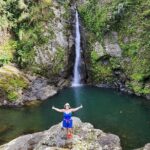
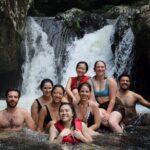
One extra tip that pops up in the experience details: bring a swimsuit if you want the option of changing pace with a swim. The area includes a lagoon where getting into the water is possible, and it can be a fun break when the heat is high.
Price and value: is $85 a good deal?
At $85 per person for about 6 hours, the value mostly comes from what you don’t have to coordinate. You get private transportation plus trekking poles and bottled water, which removes the common “hidden logistics” costs that show up when you DIY.
You also get the English option, and the tour includes all fees and taxes. That matters because you’re paying for a guided day built around the location, not just renting gear and hoping you’ll find the route.
Where the budget needs a reality check is food. Breakfast, lunch, and snacks aren’t included. If you factor in that you’ll likely buy or bring meals, the overall cost rises a bit. Still, for a guided salt-and-dam outing with transport, poles, and interpretation, it tends to work out as a fair deal.
If you’re traveling in a group, you may also get group discounts, which can make the price feel even better.
Weather, timing, and the day’s moving parts
This experience requires good weather. That’s not just a legal line—it’s a reality for a hike with salt formations, uneven footing, and outdoor visibility. If weather forces a change, you’ll be offered a different date or a full refund.
The start time is set for 10:00 am, so plan a calm morning in San Juan. You want to arrive rested and ready to walk, not rushed.
Also, the trek requires a minimum number of travelers. If that minimum isn’t met, you should expect a different date/experience or a full refund. Either way, you’re protected from the plan falling apart silently.
Who should book Cerro de Sal trekking?
Book this trek if you want:
- Salt formations and the abandoned mine feel, not just another viewpoint walk
- A guided experience where someone points out wildlife, plants, stones, and the meaning of what you’re seeing
- A half-day plan that’s practical and run with comfort in mind, including poles and water
You might think twice if:
- You strongly prefer tours where lunch and snacks are included
- Your idea of hiking is flat and easy. Moderate means there will be uphill and some tougher moments
It can also work for families when kids are comfortable with a few hours of walking. The experience details include examples of families hiking together, including children around school age, as long as everyone is prepared for the pace and breaks.
Should you book this salt-and-dam trek?
If you’re in San Juan and you want a guided day that’s both scenic and different from the usual Andes view, Cerro de Sal is a strong pick. The combination of salt geology, old mining traces, and Punta Negra Dam panoramas gives you variety instead of a one-note hike.
I’d book it if you’re happy to bring your own lunch or snacks and you have a moderate hiking level. Also, if the idea of a lagoon swim sounds appealing, pack a swimsuit.
Go with this mindset: you’re not just walking a trail. You’re learning how salt landscapes and mining history shape what you see on the ground—and the guides like Cristian (and Raul) are part of why that learning sticks.
FAQ
How long is the Cerro de Sal trek?
The duration is about 6 hours.
What time does the tour start, and where is the meeting point?
It starts at 10:00 am. The meeting point is Rastreador Calivar Sur 576, J5400 Rivadavia, San Juan, Argentina, and the tour ends back at the same place.
Is pickup available?
Pickup is offered.
What’s included in the price?
The price includes private transportation, all fees and taxes, bottled water, and trekking poles.
What food should I plan for?
Breakfast, lunch, and snacks are not included, so you’ll need to bring or buy your own.
Is the tour offered in English?
Yes, English is offered.
What happens if weather is bad?
This experience requires good weather. If it’s canceled due to poor weather, you’ll be offered a different date or a full refund.