REVIEW · SAN JUAN
Explore Indigenous Roots, Experience a day in the life of a Taíno
Book on Viator →Operated by Tranki Tours · Bookable on Viator
Forget the tour-bus script. This day in Puerto Rico follows Taíno roots through the Cordillera Central, then turns into real-world time in nature and on a working permaculture farm. It’s the kind of itinerary that feels like you’re borrowing a local’s calendar, not marching through a checklist.
Two things I really like: you start at Parque Ceremonial Indígena de Caguana, the Caribbean’s largest ceremonial ground, and you actually get time to take it in (plus a museum with everyday Taíno artifacts). Then you get to cool off at Charco Los Morones, where the mountain views and petroglyphs are part of the story, not background noise.
One thing to consider: this is an 8-hour day that depends on good weather, and the off-grid lunch has a 4-person minimum. If your group is smaller than that, the farm stop still happens, but lunch is at another place instead.
In This Review
- Key highlights you’ll feel in real time
- An 8-hour day that starts with real Puerto Rico energy
- Caguana’s ceremonial grounds: the clearest first chapter
- What to watch for at Caguana
- Charco Los Morones: river relief plus petroglyphs you can’t ignore
- Practical tips for this river stop
- Utuado and the off-the-grid permaculture farm: sustainability with answers
- When Tristan’s style matters here
- The day’s rhythm: how the pieces fit together
- Price and value: $175 for a full-day mix of culture and nature
- Group size and getting a more personal day
- Weather and what it means for your plans
- Who should book this Taíno day?
- Should you book Tranki Tours’ day in the life of a Taíno?
- FAQ
- How long is the excursion?
- What is the meeting point in San Juan?
- Is pickup available?
- What does it cost?
- How big are the groups?
- What are the main stops during the day?
- Is lunch included, and when does farm-to-table happen?
- What happens if the weather is bad or I need to cancel?
Key highlights you’ll feel in real time
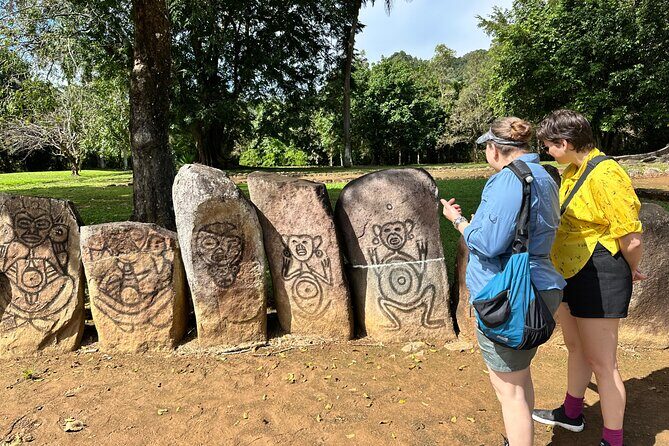
- Caguana first, with admission included and a museum that helps you connect Taíno life to what you see outdoors
- Charco Los Morones river time with a chance to swim and sunbathe, plus petroglyphs nearby
- Off-the-grid permaculture farm access in Utuado, with a tour and sustainability talk you can ask questions about
- Farm-to-table meal when the group fits: provided with a 4 person minimum
- Small-group feel with a maximum of 14 travelers, plus pickup offered in San Juan
An 8-hour day that starts with real Puerto Rico energy

You meet in San Juan at 114 Avenida José de Diego at 8:00 am, and the day is built to move you out of the city rhythm fast. Pickup is offered, so you’re not scrambling to get transportation lined up before heading into the mountains. You’ll also have a mobile ticket, which makes check-in easy.
From there, the plan is simple: ceremonial sites, then river cooling, then a farm stop that’s less lecture and more lived practice. This is not a “quick photo at every stop” kind of tour. It’s a day where the timing gives you room to look, ask, and breathe between places.
I like that it’s capped at 14 travelers. That usually means better pacing and fewer moments where you’re stuck waiting for someone to finish reading a sign. Also, because it’s framed around indigenous roots and sustainable living—not generic sightseeing—you get a clearer sense of why each place matters.
If you're still narrowing it down, here are other tours in San Juan we've reviewed.


Caguana’s ceremonial grounds: the clearest first chapter
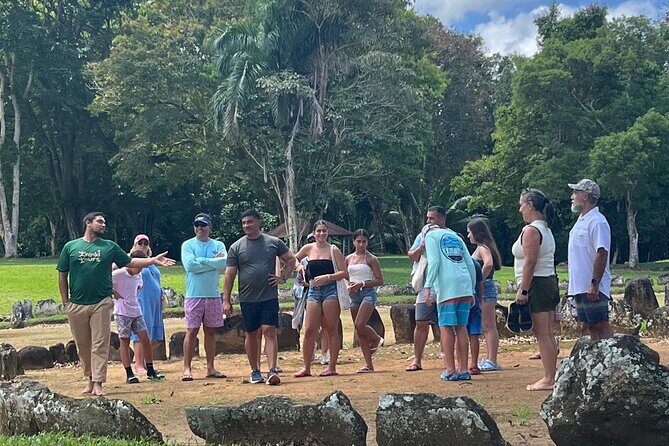
The first stop is Parque Ceremonial Indigena de Caguana, and it’s hard to overstate how significant this is for Taíno heritage. You’ll spend about 1 hour 30 minutes there, with admission included.
What I love about starting here: you’re not thrown straight into nature and story time without context. Caguana is the anchor. It’s the largest ceremonial ground in the Caribbean, and that “scale” changes how you look at everything afterward. Even if you’ve seen other sites in the region, this one has a weight to it.
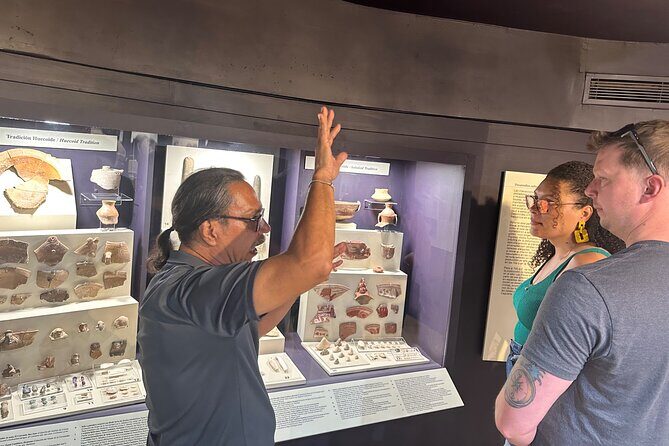
Inside the museum, you get artifacts that connect to daily and ceremonial life. That matters because it helps you interpret what you’re seeing outdoors. The goal isn’t just to say Taíno history is important. It’s to help you recognize how the people lived, and what they used in real life.
If you’re the type who likes to ask questions, this is where the guide’s patience really pays off. In past days with Tranki Tours, Tristan has been praised for answering questions calmly and keeping the story understandable, even when people have lots of them. That kind of guiding style can turn a museum visit from “stuff on walls” into something that sticks.
What to watch for at Caguana
- The visit is mostly site-focused, not a long hike. You’ll want comfortable walking shoes anyway.
- Give yourself mental space. This is a place where slowing down improves the experience.
Charco Los Morones: river relief plus petroglyphs you can’t ignore
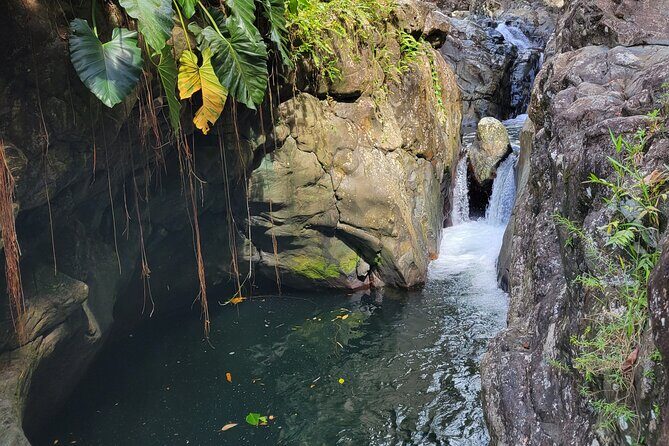
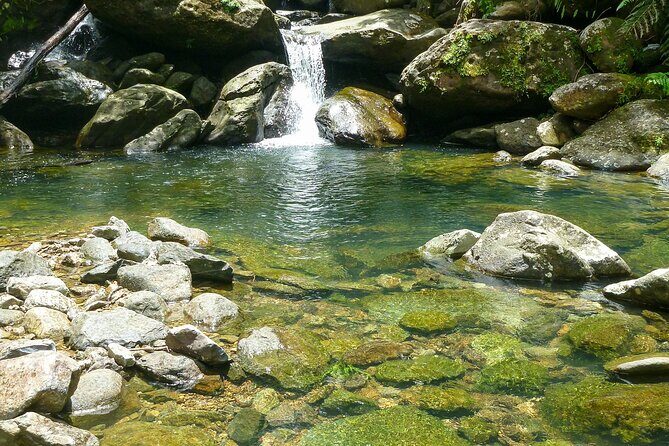
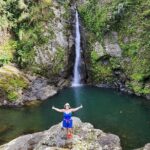
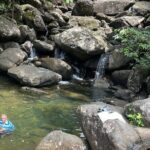
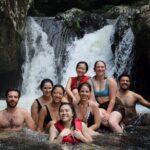
After Caguana, the day shifts gears. The second stop is Charco Los Morones, an off-the-beaten-path river area where you may swim and sunbathe. You’ll have around 2 hours here, and admission is free.
The big draw is obvious: you’re in mountain country, and you can cool off in a spot that doesn’t feel like a crowded beach scene. But the other reason this stop works so well is the connection to the deeper story. You’ll also find petroglyphs left behind by indigenous ancestors.
That’s the rare combo: water-time plus cultural marks that invite you to look closer. It’s the kind of place where you stop, look up, and then notice carvings you might have walked right past on your own. A good guide helps you find what matters and explains it without turning it into a distant academic exercise.
And yes, this stop can include a bit of hiking or walking to get to the best spots along the river area. You don’t need to be an athlete, but you should expect uneven ground and bring the right mindset: this is a natural setting, not a paved promenade.
Practical tips for this river stop
- Bring swimwear you’re comfortable wearing under any cover-up, because the water option is part of the experience.
- Plan for sun. Even in mountain weather, bright Puerto Rico sun can sneak up on you.
- If you’re sensitive to changing footing, use care. You’re dealing with a river environment.
Utuado and the off-the-grid permaculture farm: sustainability with answers
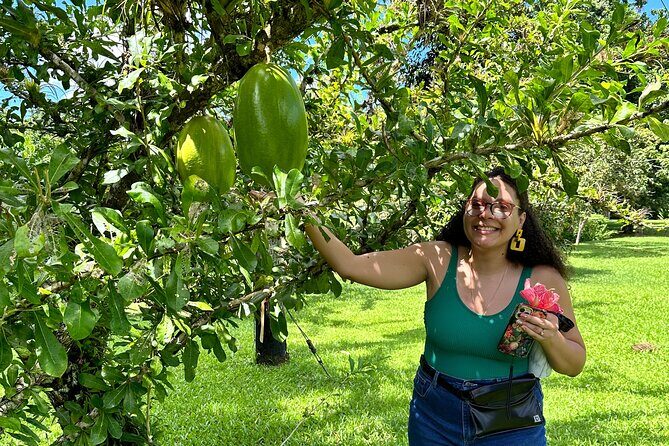
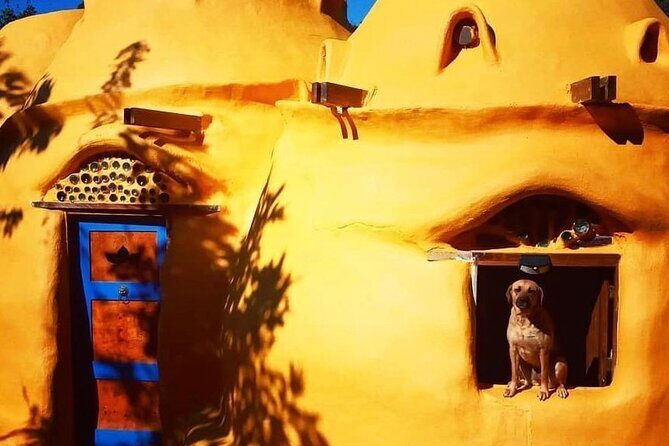
The final stretch brings you to Utuado, and this is where the tour leans into living practice. You’ll arrive at a sustainable permaculture farm, where you’ll get a tour of the grounds and a discussion about sustainability and living off the grid.
You’re given about 1 hour 30 minutes here, and admission is free. What makes this stop feel different is that it’s not just “look at nice gardens.” It’s a conversation about how the system works, and what tradeoffs come with it.
This is also where the Puerto Rico identity angle shows up. The day isn’t only about the past; it’s about the Puerto Rico people recognize in the countryside—jíbaro culture—and how that relationship with land connects to what sustainable living tries to do today.
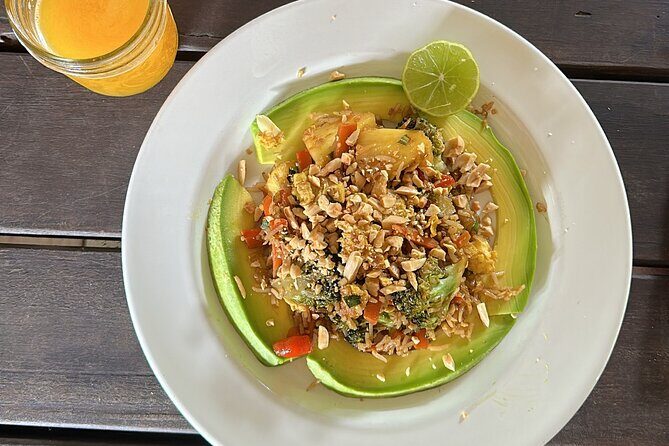
In the strongest version of this stop, you’ll get a farm-to-table meal. The key detail: a farm-to-table lunch is provided with a 4 person minimum. If your group is smaller than 4, you’ll still get the farm stop included, but you’ll eat lunch elsewhere instead. That’s not a dealbreaker, but it changes the “complete package” feeling, so it’s worth noting when you book.
When Tristan’s style matters here
On days guided by Tristan from Tranki Tours, people have highlighted how practical the explanations can be—questions welcomed, answers given clearly, and the whole experience kept positive even when you’re outside in real conditions. That matters on a farm stop, because you don’t want a rushed tour where you’re too shy to ask what you’re actually thinking.
You’ll also see examples of hands-on construction and self-sustaining thinking described in plain language. That includes seeing how homes and systems are approached with the environment in mind. It helps you picture sustainability as a set of daily choices, not a buzzword.
The day’s rhythm: how the pieces fit together
Put together, the itinerary tells a coherent story.
- Caguana sets the historical foundation. You learn about ceremonial space and see artifacts tied to Taíno life.
- Charco Los Morones gives you nature time where cultural traces still exist in the environment. You’re not only learning; you’re experiencing the setting.
- Utuado and the permaculture farm lands the story in today’s choices. It’s where you start connecting heritage, land, and food systems in a way that feels grounded.
That flow is the real value. It prevents the classic issue with tours that cram too many stops: you end up collecting locations without collecting meaning. This one is built so the stops support each other.
Price and value: $175 for a full-day mix of culture and nature
At $175.00 per person, this is not a cheap impulse purchase. But it also isn’t trying to be. You’re paying for a full 8-hour day with a small group limit (14 travelers max), plus admission support at Caguana, plus time at two additional stops where admission is free.
Here’s the value logic I’d use:
- You get an early start and guided context. Cultural sites like Caguana are easier and more meaningful with a guide who can explain what you’re seeing.
- You get active nature time at Charco Los Morones, with the chance to swim and hang out by the river, and petroglyphs included in the experience.
- You get a working sustainability stop, not just a view. Farm access and a guided sustainability talk are hard to replicate casually.
- Lunch can be farm-to-table, depending on group size. That turns the end of the day from “tour fatigue” into something tangible.
If your group is only two or three people, the farm-to-table lunch doesn’t automatically happen, and you’ll eat elsewhere. Still, the farm tour is included, so you’re not losing everything—but you are losing the full “end with the food you learned about” payoff.
For many people, that’s the tradeoff. For others, it’s perfect. Either way, I’d decide based on whether you care about the farm-to-table meal as a highlight.
Group size and getting a more personal day
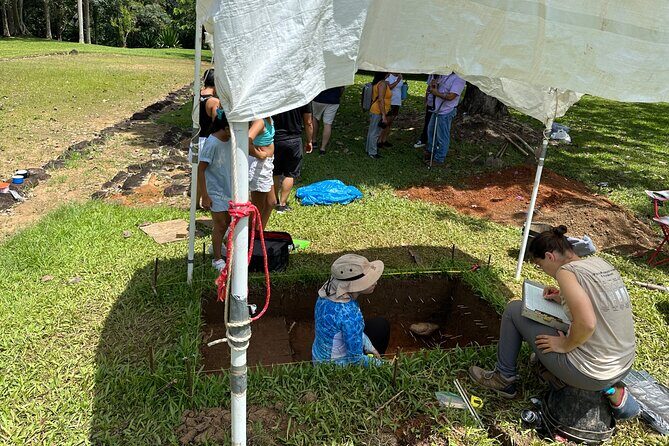
With a maximum of 14 travelers, you should expect a more manageable group than many day trips. In a couple of past experiences with Tranki Tours, people have even described feeling like they had a private-style day when group size lined up well. That doesn’t mean it’s guaranteed, but the cap makes it more likely than with bigger buses.
This tour also lists that most travelers can participate and that service animals are allowed. That’s helpful if you’re planning around mobility needs or you rely on an animal for assistance. Still, remember the day includes outdoor walking and a river setting, so comfort matters.
Weather and what it means for your plans
This experience requires good weather. If it’s canceled due to poor weather, you’ll be offered a different date or a full refund. Since you’re dealing with a river stop, it’s not surprising that rain can change the safety and comfort of the day.
My advice: if you have flexible dates, you’ll make your life easier. If you’re visiting during a rainy stretch, consider building in one buffer day in San Juan.
Who should book this Taíno day?
I’d point you here if you want:
- A more authentic, less crowded-feeling day outside the usual repetitive stops
- A Taíno-rooted itinerary with context at Caguana
- A nature break that isn’t just scenery, because you can swim and spend time by the river
- A sustainable farm stop that gives you real questions to ask and real answers to hear
I’d think twice if:
- You’re short on time and can’t handle an 8-hour commitment
- You don’t like outdoor walking or uneven ground near rivers
- You’re the only two or three people in your group and farm-to-table lunch is a top priority, because the meal is tied to a 4-person minimum
Should you book Tranki Tours’ day in the life of a Taíno?
If you want a Puerto Rico day that feels like the story connects—past Taíno ceremonial life, present mountain nature, and practical sustainability—then yes, this is a strong choice. The best part is how the itinerary stays coherent: you’re guided through meaning, not just movement.
If your group size lines up for the farm-to-table meal, you’ll likely love the ending even more. If not, you still get the farm tour and the sustainability conversation, but you’ll finish with lunch elsewhere. In either case, you’ll come away with more than photos—you’ll have a better sense of how Puerto Rico’s indigenous roots and countryside identity live in the landscape and in the choices people make today.
FAQ
How long is the excursion?
It runs about 8 hours.
What is the meeting point in San Juan?
The tour starts at 114 Avenida José de Diego, San Juan, Puerto Rico 00907, and it ends back at the same meeting point.
Is pickup available?
Yes, pickup is offered.
What does it cost?
The price is $175.00 per person.
How big are the groups?
The experience has a maximum of 14 travelers.
What are the main stops during the day?
You’ll visit Parque Ceremonial Indigena de Caguana, then Charco Los Morones, and finally a permaculture farm in Utuado.
Is lunch included, and when does farm-to-table happen?
A farm-to-table meal is provided, but it requires a 4 person minimum. For groups under 4 people, the farm stop is still included, but you will eat lunch elsewhere.
What happens if the weather is bad or I need to cancel?
The tour requires good weather. If it’s canceled due to poor weather, you’ll be offered a different date or a full refund. You can cancel for a full refund up to 24 hours before the experience starts.