REVIEW · SAN JUAN
Historical Walking Tour of Old San Juan
Book on Viator →Operated by Bestours - Outdoors Adventures Puerto Rico · Bookable on Viator
Old San Juan has a way of making time feel small. This 2.5-hour walking tour strings together the island’s turning points, from Indigenous roots to Spanish rule and Puerto Rico’s modern identity, stop by stop. I love the small-group size because it keeps the pace human and makes questions easy. I also like how the route hits big names without turning into a bus-drop-and-vanish day.
One thing to plan for: not every site is included. El Morro entrance isn’t included, and a few other stops are listed as ticketed on your own, plus some church interiors may not be open when you arrive.
In This Review
- Key highlights worth your attention
- Why this Old San Juan walk makes sense
- Price and value: what $65 covers (and what doesn’t)
- Start at Plaza Colón: easy to find, easy to repeat later
- The walking rhythm: how fit and weather really matter
- Stop-by-stop: what each landmark adds to the story
- Paseo de la Princesa: the scenic setup
- La Fortaleza (Palacio de Santa Catalina): power at the harbor
- Catedral Basilica Menor de San Juan Bautista: sacred and historic
- La Puerta de San Juan (Old Entrance): the wall with a purpose
- La Rogativa: the bronze sculpture with a legend
- Casa Blanca Museum (Juan Ponce de León’s home)
- El Bastion and the defense logic next to Morro
- Cuartel de Ballaja: barracks on a massive scale
- Castillo San Felipe del Morro: the big finish (and the ticket decision)
- Guides can make or break it: what the best moments sound like
- Who should book this tour, and who might want a different plan
- Should you book this Old San Juan History Walk?
Key highlights worth your attention
- A small group (max 15) means you spend less time stuck in a crowd and more time talking with the guide.
- Fort, cathedral, gate, and bastion in one walk gives you the full defensive and ceremonial story of Old San Juan.
- Bilingual tour helps you follow the details even if you’re rusty in Spanish.
- Many stops are free-entry (like La Fortaleza, the cathedral, La Puerta de San Juan, and La Rogativa).
- Guides bring the sites to life with energetic storytelling and lots of Q&A (people singled out guides like Murat, Carlos, Daniel, and JC).
Why this Old San Juan walk makes sense
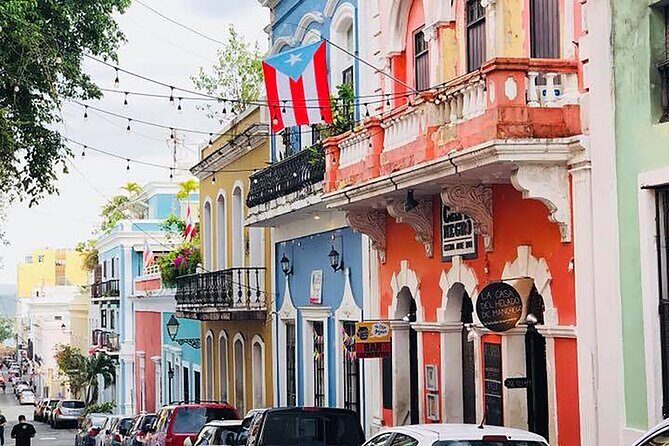
Old San Juan is one of those places where the streets already tell a story. But the story gets way clearer when someone points out what you’re looking at and why it mattered. That’s what this tour does well: it connects the dots across centuries without turning the day into a history lecture marathon.
You start with a classic promenade and quickly move into the political power center and the religious heart of the city. Then you shift gears into the military setup: walls, gates, bastions, and the forts that watched the harbor. The walking itself is part of the value. You’re not just looking at a single monument; you’re seeing how the city was shaped to control movement, defend shipping, and project authority.
And the timing is practical. At about 2 hours 30 minutes, you get a solid overview without needing a half-day just to get your bearings.
Other Old San Juan walking tours in San Juan
Price and value: what $65 covers (and what doesn’t)
The tour costs $65 per person, and it’s usually booked about a month in advance. That’s a good sign: this is one of the easiest ways to get meaning out of Old San Juan early in your trip.
Where the value really shows is in how many stops are free-entry. La Fortaleza, the cathedral, La Puerta de San Juan, La Rogativa, and Cuartel de Ballaja are all marked as free admission. That means you can spend your money on the guide and your energy on the walk, not on ticket math at every corner.
Now the caveat: El Morro entrance is not included. Also, Casa Blanca Museum and El Bastion are listed as not included for admissions. So you’ll likely enjoy a lot even without extra tickets, but if you want maximum access at those stops, budget for it. Think of this tour as the guided route that tells you what’s worth your next dollar of exploring.
Start at Plaza Colón: easy to find, easy to repeat later
Meeting is at Plaza Colón, near La Fortaleza in San Juan’s historic core. The end point is the same place, which is a relief in a city where wandering can turn into accidental cardio.
You get a mobile ticket, so you’re not digging through emails or hunting for paper. That’s especially helpful in Old San Juan, where you’ll likely be moving in and out of shade, taking photos, and trying not to lose the group.
Also, because it’s near public transportation, you can plug this walk into the rest of your day without major juggling.
The walking rhythm: how fit and weather really matter
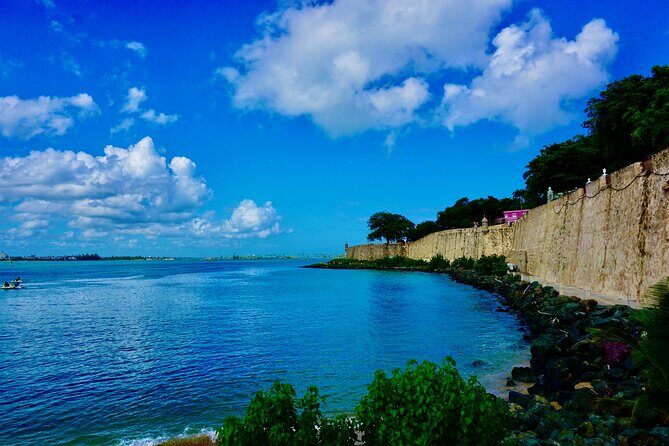
This is a walking tour with a moderate physical fitness level. The itinerary includes several sites that require you to be on your feet and walking between stops, sometimes on uneven historic streets. It’s not described as grueling, but it does mean you’ll want comfy shoes and a steady pace.
Weather is a bigger factor than you might expect. The experience is noted as requiring good weather, and at least one review mentions rain. If it’s wet or stormy, expect the day to feel slower and slick underfoot. Bring a rain layer if your forecast looks uncertain.
Stop-by-stop: what each landmark adds to the story
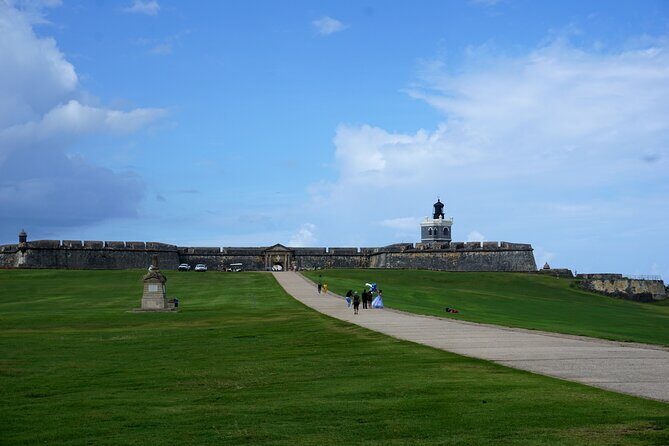
This tour is built like a guided timeline. Each stop answers a different question: Who ruled? Who prayed? Who defended? How did the city manage arrivals by sea?
Other walking tours we've reviewed in San Juan
Paseo de la Princesa: the scenic setup
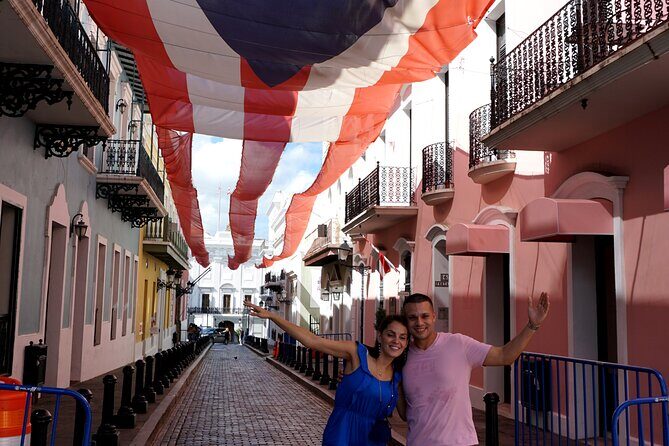
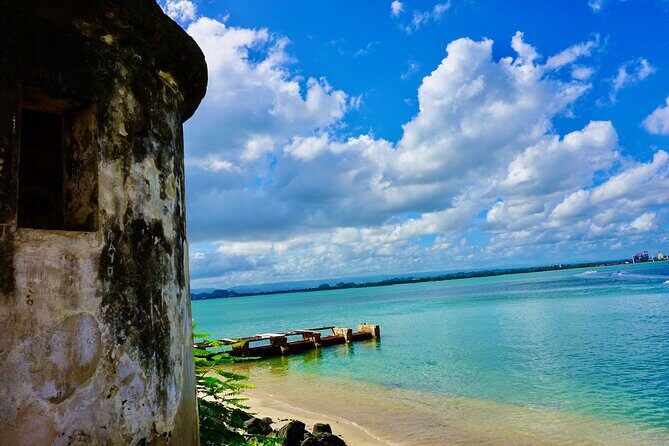
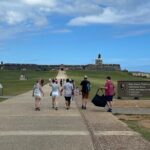
You begin at Paseo de la Princesa, often described as one of the world’s most scenic walkways. It matters because it’s not just pretty. It’s lined with historic sites and statues, so you get your first snapshot of how Old San Juan presents itself.
A good way to use this moment: look up and scan the line of landmarks as you walk. The promenade gives you context before you hit the heavy hitters like the fortifications and cathedral.
La Fortaleza (Palacio de Santa Catalina): power at the harbor
Next is La Fortaleza, the official residence of the governors of Puerto Rico. It was the first fortification built in San Juan harbor, so you’re looking at a place tied directly to control and defense.
You’ll also hear about Torre del Homenaje, the original tower’s name. Even if you don’t go inside anywhere, it’s the kind of stop that helps you understand why the harbor mattered so much. Whoever controlled the waterfront had leverage.
Admission is marked as free, so you can keep this stop as a no-stress moment.
Catedral Basilica Menor de San Juan Bautista: sacred and historic
Then you reach the Catedral Basilica Menor de San Juan Bautista. It’s described as one of the oldest buildings in San Juan, and the oldest cathedral in the United States, plus the second oldest cathedral in the Americas.
That’s a huge set of claims, and the guide’s job is to translate what that means on the ground: how a religious building functions as both community center and historical marker.
Admission here is also marked free. One practical consideration: you may want interiors, but some people have noted that churches were not open when they arrived. So keep your expectations flexible. If doors are shut, you can still get a lot from exterior context and the guide’s explanations.
La Puerta de San Juan (Old Entrance): the wall with a purpose
La Puerta de San Juan is the main entry gate into the walled city during Spanish colonial times. Built in 1635, it’s listed as 16 feet tall and 20 feet thick.
This is where the tour turns from story to engineering. That size isn’t random. It tells you how serious the city was about controlling access. It’s also a great photo stop, because the scale makes it easy to grasp the defensive mindset without needing a map.
Again, it’s marked free.
La Rogativa: the bronze sculpture with a legend
At the plaza you’ll see La Rogativa, a bronze sculpture tied to a legend involving Catholic tradition. Rogativa means The Procession, which helps you connect the artwork to its meaning.
This stop is shorter, but it’s a smart rhythm break. It keeps the tour from becoming only fort walls and stone structures. It also shows how belief and public life were intertwined in the city’s design.
Admission is marked free.
Casa Blanca Museum (Juan Ponce de León’s home)
Casa Blanca Museum is next, with roots going back to 1521. It was the residence of Juan Ponce de León and his family, and it now functions as a museum.
This is one of the stops where your time comes down to what you want. The tour includes it, but admission is marked not included, so you may have to decide on your own whether to pay to go deeper. If you love early colonial history, it’s worth considering. If you prefer sticking to exterior views during a short guided walk, don’t worry—you’ll still get context.
El Bastion and the defense logic next to Morro
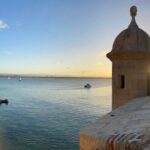
The Bastion is described as built next to Castillo San Felipe del Morro to add defense. In the 1800s, it served as barracks for soldiers.
This spot helps you visualize how Old San Juan wasn’t one single fortress. It was a system, and parts of it shifted roles over time—from defense to living space and back to military function depending on the era.
Admission is marked not included. If you’re not paying for interior access, treat it like a viewpoint stop: stand where the guide tells you to stand, then look toward Morro to understand the geometry.
Cuartel de Ballaja: barracks on a massive scale
Then you reach Cuartel de Ballaja, built in 1854 and used until 1898 by the Spanish. It was built as barracks for Spanish infantry and is described as housing 1000 soldiers and their families.
That number changes how you see Old San Juan. This wasn’t just a fortress for dramatic last stands. It was home for people living day-to-day inside the defense system. The tour also notes that after the 1898 invasion by the US Army, the US Army took over (the text doesn’t spell out all details beyond that, so you’ll want the guide to fill in what’s appropriate).
Admission is marked free.
Castillo San Felipe del Morro: the big finish (and the ticket decision)
Finally, you head to Castillo San Felipe del Morro, often called El Morro. It’s described as the second fortress built in Old San Juan to protect the city from attack and invaders.
The key idea you’ll hear is strategic positioning: cannons could attack ships from different angles. It’s also a stop where you’ll feel the scale immediately, because you’re standing in a place built for long-range threats.
The tour allocates the most time here, about 45 minutes, but El Morro entrance isn’t included. So you have two choices: enjoy what you can during the guided portion and then decide if you want to pay for additional access on your own.
If you’re trying to fit the tour into a first visit, I like treating Morro as a separate decision. The guided story sets you up to appreciate the fort itself. Then you decide how deep you want to go.
Guides can make or break it: what the best moments sound like
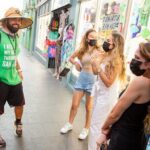
One reason this tour earns such high marks is the guidance style. People highlight guides like Murat and Carlos for being energetic and answering questions well. Another common theme: the guide’s personality. Folks mention guides being funny, personable, and genuinely engaged with Puerto Rico’s past.
I also like the real-life extras that show up in reviews. For example, one guide (Juan) is mentioned for offering water and sharing restaurant suggestions after the tour. That might sound small, but it’s the difference between finishing a walk and knowing where to go next.
You might also get a more personal setup in some cases. Reviews mention a private experience when a guide arranged it on a day off. That’s not guaranteed, but it tells you the guides care about tailoring when possible.
And if you’re the kind of person who likes asking questions, small-group size helps. You’re not just listening; you’re interacting.
Who should book this tour, and who might want a different plan
This tour is a great fit if:
- You want an efficient introduction to Old San Juan’s big landmarks without a bus crowd.
- You like history that connects real locations to real political changes.
- You’re curious, and you want time for questions.
It may be less ideal if:
- You want to spend hours inside museums and churches. This is more of a guided overview with short stop windows.
- You need certainty that every interior space will be open. At least one review points out that venues weren’t open when they arrived.
If you’re doing Old San Juan for the first time and you want a smart base layer of context, this tour works.
Should you book this Old San Juan History Walk?
Yes, if your goal is to understand Old San Juan fast and well. At $65 with free entry at several major stops, you’re paying mainly for a guide who can connect the fortifications, cathedral, gates, and legends into one clear storyline.
I’d book it even if you’re not planning to pay for every extra ticket, because the route is still worth it: it gets you close to the walls and structures that define the city. Just come with two expectations set: El Morro needs separate admission, and some interiors may be closed depending on timing and conditions.
If you want a confident first step into Old San Juan, this is a strong pick.