REVIEW · SAN JUAN
Old San Juan Walking Day and Night Tours
Book on Viator →Operated by West Side Destination · Bookable on Viator
Old San Juan reveals itself on foot. This 3-hour history walk strings together plazas and forts where small-group attention and real storytelling make the walled city feel understandable, not just scenic. I like that you get photo moments and water breaks built into the pace.
Guides like Andreas, Roberto, and Nahomi are the kind of people who can answer follow-up questions without rushing you. One possible drawback: it is a walk, so expect some uneven footing and sun exposure, even with breaks along the way.
At $85.99 per person, it’s not a budget stroll, but it can be good value if you want context fast—plus bottled water is included. I’d use it on a first day so you can decide what to revisit later on your own.
In This Review
- Key things to know before you go
- First: what this Old San Juan walking tour is really good for
- The route and timing: how a 3-hour tour fits a day
- Stop 1: Plaza Colón and the Columbus layer of Old San Juan
- Stop 2: Plaza de la Barandilla for the street-to-street details
- Stop 3: Plaza de Armas and the Spanish military heartbeat
- Stop 4: Iglesia de San Jose and Spanish Gothic in use
- Stop 5: Plaza del Quinto Centenario and how anniversaries shape space
- Stop 6: Cuartel de Ballaja and life tied to Spanish rule
- Stop 7: La Rogativa sculpture and the 1797 memory
- Stop 8: La Puerta de San Juan and the old-port-to-cathedral path
- Stop 9: La Fortaleza (Palacio de Santa Catalina) from the outside
- Stop 10: Catedral Basilica Menor de San Juan Bautista and why timing matters
- Stop 11: Paseo de la Princesa, the graceful finish
- Guides, pace, and why the small group changes everything
- Price and value: what you get for $85.99
- Who should book this tour (and who might want something else)
- Should you book? My straight answer
- FAQ
- How long is the Old San Juan walking tour?
- Where does the tour start and where does it end?
- Is bottled water included?
- Are the entrances to major sites included?
- What’s the group size?
- What if plans change and you need to cancel?
Key things to know before you go
- Small group cap of 10 means you can actually hear the guide and ask questions.
- A tight 3-hour loop hits a lot of Old San Juan without turning into a marathon.
- Plazas tell the story of Columbus-era symbols, military life, and Spanish governance.
- Churches and city landmarks connect to dates from 1500s foundations through anniversaries.
- Water and photo breaks keep you moving instead of just standing in heat.
- Not every site is an interior stop (for example, the palace part is not entered).
First: what this Old San Juan walking tour is really good for
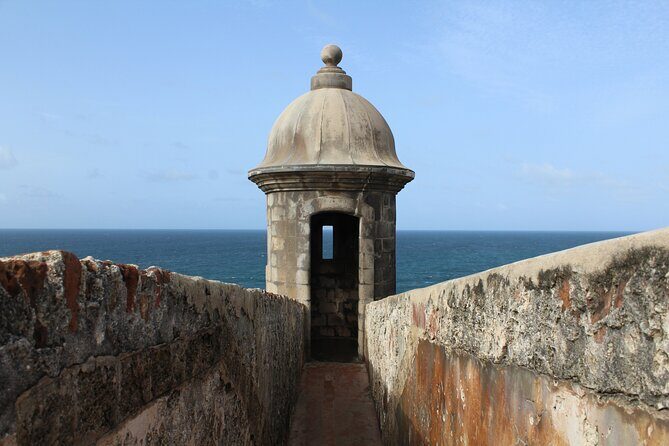
This is the kind of tour that helps you get oriented quickly. Old San Juan can feel like a maze of walls, streets, and repeating architecture—so having a guide call out what matters saves time and mental energy.
I also like the pacing. You spend short stretches at each landmark, then move on while the place is still fresh in your mind. It keeps the walk from feeling like museum time.
And since the group is capped at 10, the guide can keep the tone interactive. If you’re the type who asks why a plaza has a certain monument or how a fort fits into the island’s story, you’ll feel in the right place.
Other Old San Juan walking tours in San Juan
The route and timing: how a 3-hour tour fits a day
The tour runs about 3 hours total, including walking between stops. It’s designed for photo opportunities and water breaks, so you aren’t just pushed down one hot street after another.
It also ends in a very useful spot: Paseo de la Princesa. From there, you’re not stuck far from taxis serving the cruise port area, and you’re also positioned to keep exploring on your own.
If you have limited time in San Juan—cruise days, short stays, or a packed itinerary—this is one of the better ways to earn context without giving up your whole day.
Stop 1: Plaza Colón and the Columbus layer of Old San Juan
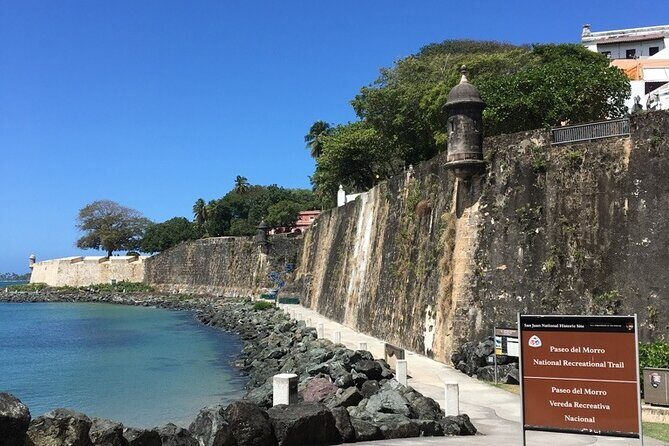
You start at Plaza Colón, which is dedicated to the Genovese colonizer. The plaza’s main structure includes a relief showing the first and second voyages of Columbus, along with a statue of Columbus himself.
This is a smart opening stop because it sets a theme: Old San Juan’s story is written in symbols. Even if you’ve seen Columbus statues before, here you get local context about why the imagery shows up in the city’s public spaces.
Tip: use the first few minutes to look around. That way, later plazas and fortifications will feel less random.
Stop 2: Plaza de la Barandilla for the street-to-street details
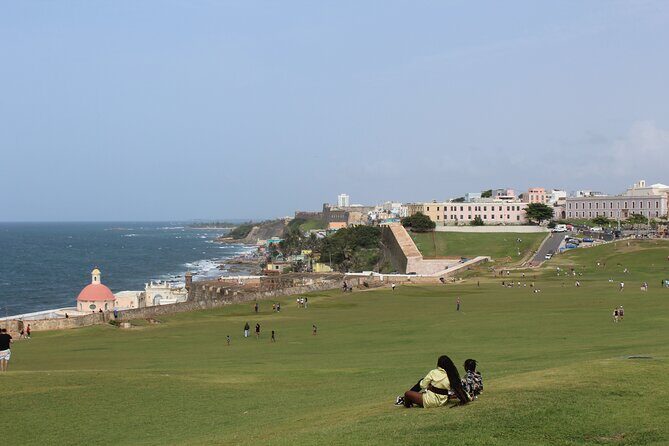
Next comes Plaza de la Barandilla, the connecting point between Calle San Francisco and Calle Luna. It’s also special because it’s described as the only plaza in Old San Juan not named after a historical or religious figure.
The focus here is the handrail that gives the plaza its name. This is the kind of stop that pays off later when you’re walking the streets yourself and start recognizing patterns in the design.
Stop 3: Plaza de Armas and the Spanish military heartbeat
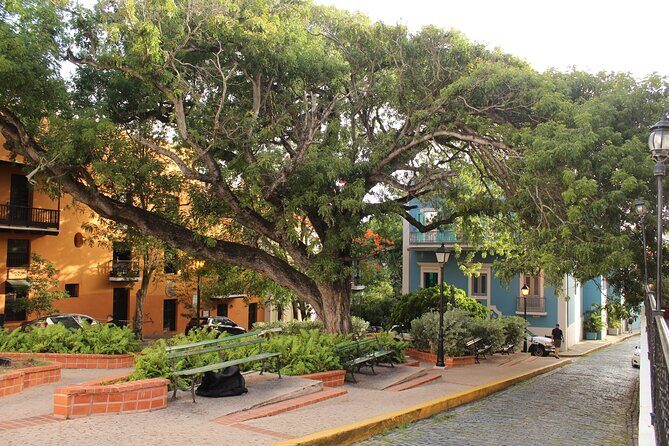
At Plaza de Armas, you’re in one of the key civic-military spaces. It’s described as the first plaza in Old San Juan where military drills were conducted as early as the island’s 16th-century settlements.
You also see the Town Hall and the old Royal Audience of the Spanish Crown in this area. If you’ve ever wondered how a colony ran day-to-day, this stop helps connect power to place.
A small practical note: bring your eye for details. The value of this plaza is what you notice around it, not just what you stand in front of.
Other walking tours we've reviewed in San Juan
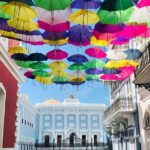
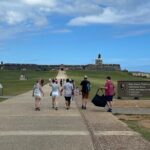
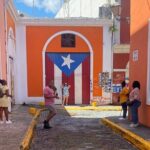
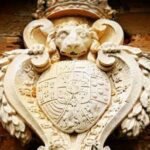
Stop 4: Iglesia de San Jose and Spanish Gothic in use
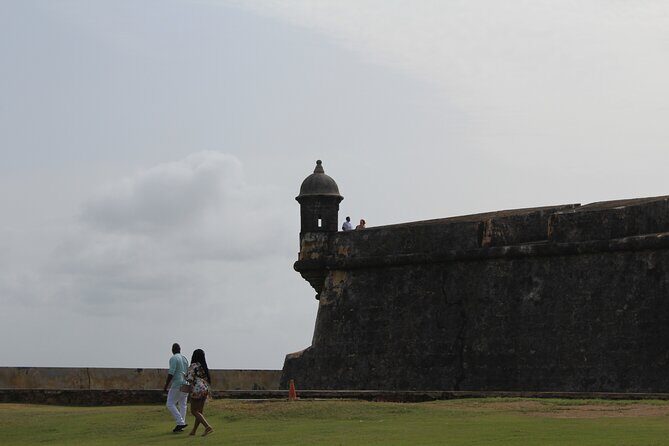
The tour brings you to Iglesia de San Jose, built in 1523. It’s described as the second oldest church in the New World that’s still in use, and it’s noted as an example of Spanish Gothic architecture.
Right nearby is a statue of Juan Ponce de León, a conquistador and the first governor. This is where the tour’s timeline starts to feel more tangible: you’re standing by structures tied to early foundations, not just later renovations.
One consideration: if you plan to do additional church visits later, this stop gives you the baseline to compare what changes and what stays consistent.
Stop 5: Plaza del Quinto Centenario and how anniversaries shape space
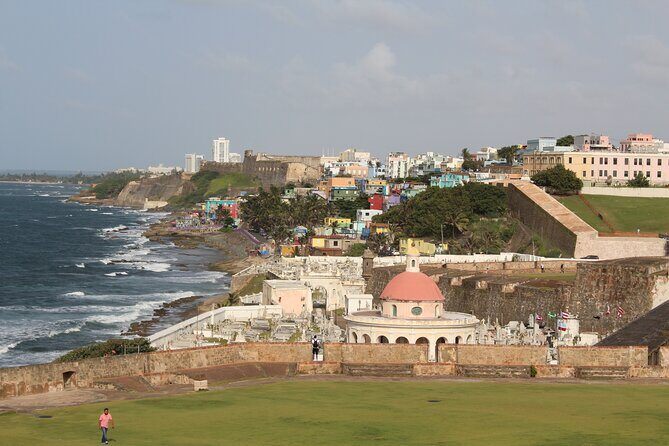
Plaza del Quinto Centenario was built in 1992 to celebrate the 500th anniversary of the founding of Old San Juan. The tour points out multiple symbols and an emblematic totem here.
This is a useful stop because it shows how Old San Juan keeps telling its story even in modern times. The guide ties the plaza to the anniversary theme, so you’ll understand why it looks like a celebration space rather than just another “pretty square.”
Photo note: if you like to document your trip, this is a good spot for clear wide shots before you move into the more fortress-and-cathedral areas.
Stop 6: Cuartel de Ballaja and life tied to Spanish rule
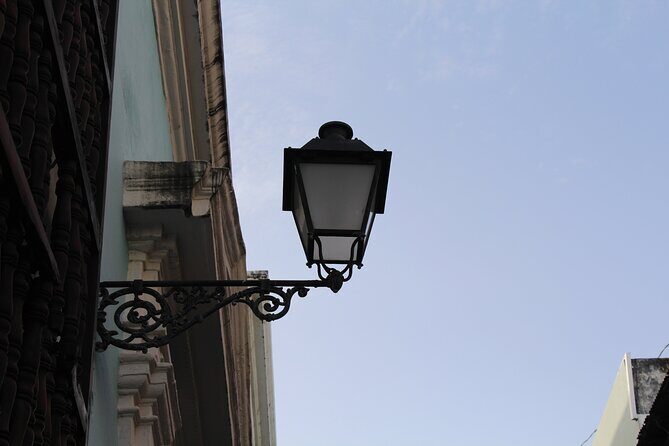
Cuartel de Ballaja is a barracks area originally constructed in 1864 by the Spanish Crown. It’s described as having housed over a thousand officers, soldiers, and even some of their families.
That “families” detail matters. Military architecture isn’t only about weapons; it’s about daily life, housing, and how institutions shaped neighborhoods.
This stop also connects to later shifts, since the description notes the period after the invasion of the United States of America. Even with only a short stop, you’ll come away with a clearer sense that political control changed hands over time.
Stop 7: La Rogativa sculpture and the 1797 memory
La Rogativa is a sculpture made by Lindsay Dean, a sculptor from New Zealand who lived on the island. It commemorates the 450th anniversary of the founding of Old San Juan and remembers the British attack of 1797.
This is one of those stops where the artwork becomes a history marker. If you’re the kind of person who reads plaques, you’ll likely enjoy how this blends art, anniversary commemoration, and a specific historical event.
Stop 8: La Puerta de San Juan and the old-port-to-cathedral path
La Puerta de San Juan is described as the last door left standing. It granted entrance to weary sailors from the old port directly to the cathedral of San Juan.
Think about the logic of that routing: it’s an architectural shortcut from arrival to worship. The tour helps you picture movement through the city’s walls, so this becomes more than just a gate—it becomes a route.
When you’re walking the area later, you’ll likely recognize the “arrival-to-core” pattern the moment you look for it.
Stop 9: La Fortaleza (Palacio de Santa Catalina) from the outside
The tour also mentions La Fortaleza, also known as Palacio de Santa Catalina, described as the very first fortification on the islet. It served to protect the initial settlement of Old San Juan from attacks involving the native Tainos and later foreign powers.
Important detail: the description says you do not go into the palace. So treat this as an exterior context stop—still valuable, just not a door-you-walk-through experience.
If you want interiors, plan for that separately. This tour’s strength is connecting you to the story and layout you can see from the street.
Stop 10: Catedral Basilica Menor de San Juan Bautista and why timing matters
You reach the Catedral Basilica Menor de San Juan Bautista, built in 1529. The tour notes it houses frescoes and stained glass, contains religious relics, and is the final resting place for some of the city’s prominent figures.
One caution: it’s open only on certain occasions, days, and times. So even though the stop is listed as free admission, your exact ability to access what you want inside may depend on what’s happening that day.
Practical move: if you care a lot about cathedral interiors, consider checking your visit plan with the guide when you’re close—so you don’t assume you’ll automatically get full access.
Stop 11: Paseo de la Princesa, the graceful finish
The last stop is Paseo de la Princesa. It’s described as a European-style promenade built in the 19th century and named after La Princesa de Asturias. The tour notes it’s preserved and still in use.
This ending makes sense. After forts, plazas, and church architecture, you finish in a space that feels like a real public walk. It’s a good place to pause, review what you learned, and decide what you want to circle back to.
Guides, pace, and why the small group changes everything
The strongest praise centers on the guide’s ability to tell stories in a way you can picture. Andreas is highlighted for making history feel alive as you walked, and Roberto is praised for passion about Puerto Rico plus answering questions and encouraging more.
Nahomi is mentioned as a standout guide for an introductory first-day tour, combining warmth with lots of information. And more than just facts, you can see the value of pacing here: small group size, easy conversation, and shade/water breaks that keep you comfortable enough to pay attention.
That combination is the real reason this tour works. Without it, Old San Juan can become a photo loop. With it, you walk away understanding what each space represents.
Price and value: what you get for $85.99
At $85.99 per person, you’re paying for guidance and structure. In plain terms, it costs more than wandering on your own, but it buys you:
- A compact route through the core landmarks in about 3 hours
- Bottled water included
- Short stops that keep the story moving (and create time for photos)
- A small group size of up to 10 people
- A guide who answers questions rather than reading at you
There’s also a timing angle. This tour is noted as being commonly booked about 23 days in advance on average, so it makes sense to reserve sooner rather than later if your dates are fixed.
Who should book this tour (and who might want something else)
This fits best if you want a fast orientation to Old San Juan. It’s also a good choice if you’re interested in how Spanish rule, military life, churches, and public art connect over time.
It’s less ideal if you want a long sit-down museum experience, since most stops are quick exterior or short interior windows. And if you dislike walking, it’s still manageable for most people, but you’ll feel the time on your feet.
Should you book? My straight answer
Yes—book it if you want your first day in Old San Juan to make sense quickly. The price feels easier to justify when you factor in the small group cap, the question-friendly guide style, and the way the route ties together 500 years through plazas, churches, fortifications, and memorial art.
I’d also book it early in your visit. Once you understand the route and what each stop represents, you’ll get more value from any later self-guided exploring.
FAQ
How long is the Old San Juan walking tour?
It’s about 3 hours total, including the walking time between attractions.
Where does the tour start and where does it end?
It starts at Plaza Colón, San Juan, 00916, Puerto Rico. It ends at Paseo de la Princesa, San Juan, 00901, Puerto Rico.
Is bottled water included?
Yes. Bottled water is included as part of the tour.
Are the entrances to major sites included?
Most stops are described as having free admission tickets. The cathedral is noted as free admission but it can be open only on certain occasions, days, and times. La Fortaleza is mentioned as not entered, and its palace admission is not included.
What’s the group size?
The tour has a maximum of 10 travelers, which helps keep it easy to hear the guide and ask questions.
What if plans change and you need to cancel?
You can cancel up to 24 hours in advance for a full refund. If you cancel less than 24 hours before the experience starts, the amount paid isn’t refunded.