REVIEW · SAN JUAN
Private Guided Rock Climbing Trips in Puerto Rico
Book on Viator →Operated by Rocaliza Adventure Tours · Bookable on Viator
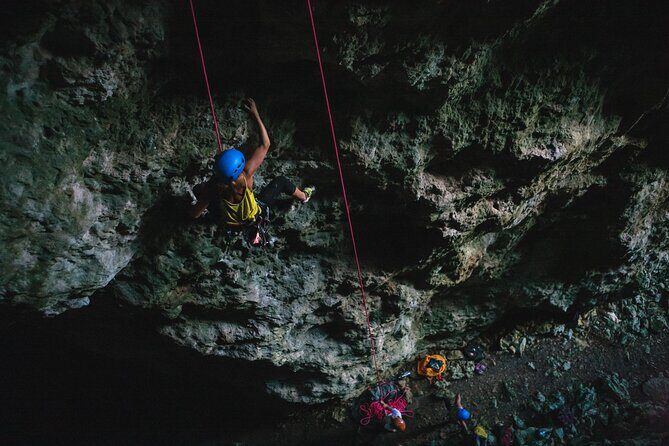
Puerto Rico rock, with real coaching. You’ll climb limestone sport routes near San Juan, guided by AMGA-certified SPI instructors, and the crag features like the El Mamon melted wax wall make every hold feel weird in the best way. I like that the trip is set up for beginners and intermediates, including real instruction on tying in and belaying. The main thing to factor in is that you’ll be outside for hours, and it requires good weather, plus lunch and bottled water aren’t included.
I also like the private format. This is booked as a group-only outing, so you’re not stuck sharing attention or climbing time with strangers. Equipment is included, so you can show up and get to the fun faster.
The climbing area is close to town but feels properly “craggy.” The El Mamon sector is in Parque Julio Enrique Monagas in Bayamón, about 15 minutes west of San Juan, and the start time is 9:00 am for an 8-hour session back at the meeting point.
In This Review
- Key highlights to know before you go
- Where You Climb Near San Juan: Bayamón’s Monagas Park and the El Mamon Sector
- The Coaching: AMGA SPI Instructors and Private, Beginner-Friendly Instruction
- Entering The Crag at 9:00 AM: What Your 8-Hour Day Looks Like
- El Mamon Route Grades and Your Real Climbing Goal
- Safety on Bolted Limestone: Why This Feels More Secure Than You’d Expect
- Gear, Included and Not Included: What to Bring and What to Skip
- Price and Value: $165 Private Instruction + Real Routes Nearby
- Who This Trip Fits Best (and When to Choose Another Plan)
- Should You Book Rocaliza’s Puerto Rico Climbing Trip?
- FAQ
- Where does the climbing trip start?
- What time does the trip begin?
- How long is the experience?
- How much does it cost?
- Is this a private tour?
- What climbing equipment is included?
- Do I need previous climbing experience?
- What routes and grades do you climb?
- Is transportation, lunch, and water included?
- What happens if weather is poor?
Key highlights to know before you go
- AMGA-certified SPI instructors guiding every pitch, including beginners
- 1-to-1 style private time so you can learn commands, tying in, and belaying
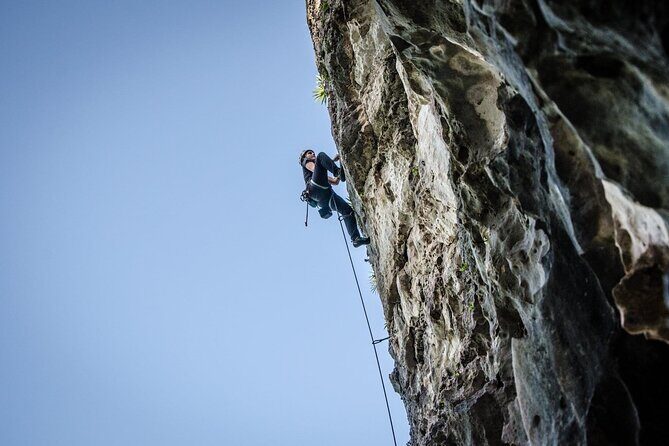
- El Mamon melted wax wall limestone formations with 15 sport routes (5.9 to 5.11c)
- Big selection nearby at the developed sport area with 250+ bolted routes (5.6 to 5.13)
- Gear included: helmet, harness, and climbing shoes
Where You Climb Near San Juan: Bayamón’s Monagas Park and the El Mamon Sector
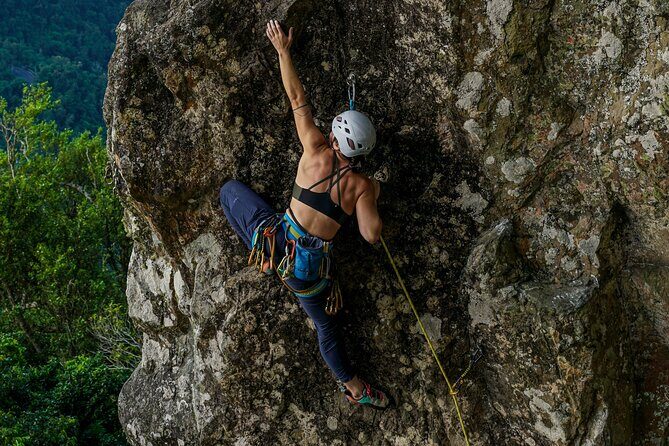
This is sport climbing on developed limestone crags, meaning the routes are bolted and made for sport climbing rather than wandering around on sketchy gear. That matters because your focus stays on technique and confidence, not “how am I protecting this?” during your first day.
The best-known spot in the plan is the El Mamon Sector, also called the Original Sector, inside Parque Julio Enrique Monagas in Bayamón. The area is famous for unusual limestone shapes and features, and it’s nicknamed the melted wax wall because the rock looks like it’s been softened and dripped into place. Even if you’re not a geology person, you’ll feel the difference—your body reads the rock differently when the formations look odd instead of simply jagged.
At El Mamon, you’re looking at 15 sport climbing routes graded 5.9 to 5.11c. If you’re newer, that grade range may sound spicy, but the key is that the instructor works with your goals and pacing. You might climb at the level where technique matters most to you, rather than forcing max difficulty.
Beyond El Mamon, the surrounding climbing area is described as Puerto Rico’s most developed sport climbing region, with 250+ bolted routes from 5.6 to 5.13. In plain terms: if you start at one difficulty and you’re feeling good, you’re not stuck. If you start feeling cautious, you still have options.
Other guided tours in San Juan

The Coaching: AMGA SPI Instructors and Private, Beginner-Friendly Instruction
The headline here is coaching quality and safety. Your guides are certified by the AMGA (American Mountain Guides Association) as SPI (Single Pitch Instructor). That’s a big deal for beginners, because SPI training is built around teaching people how to climb and belay correctly on single-pitch sport routes.
No previous experience is required, and that’s not just marketing language. For beginner climbers, you’ll learn the basics you actually need:
- how to tie in
- how to belay
- how to use gear correctly
- common climbing commands
Those items are the foundation of feeling safe. If you can tie in cleanly and communicate during belay, you stop second-guessing every movement. That’s when climbing turns from scary to fun.
Even better, the trip is private, meaning your group gets focused time. You’re not competing for instruction moments. The whole point is that your day can be shaped around where you are—fun lesson day, skill-building day, or a mix of both.
One more practical note: AMGA-certified instruction is paired with local knowledge. The guide knows the areas and what routes tend to fit different climbers, and they can also share ideas for other parts of Puerto Rico once you’re off the wall. That turns a climbing day into a real trip day, not just a ticket to a sport route.
Entering The Crag at 9:00 AM: What Your 8-Hour Day Looks Like
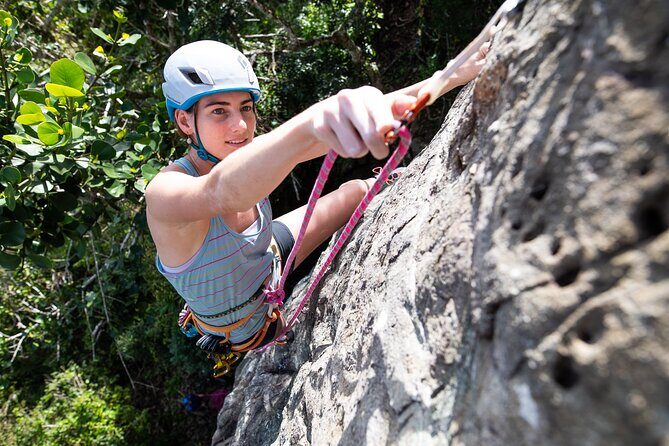
You start at Parque Nacional Julio Enrique Monagas (meeting point shown at CV55+PMM), in Bayamón, with a 9:00 am start. Expect a full day, about 8 hours total, and you end back at the same meeting point.
While there’s no step-by-step published schedule down to the minute, the flow is pretty standard for a private climbing lesson. You’ll begin with gear handling and check-ins, then get into climbing drills and on-the-wall climbing.
If you’re a beginner, a good chunk of time usually goes into learning the “system”:
- getting fitted for the harness and climbing shoes
- learning how to tie in
- practicing belay and communication
- then using those skills on routes at your comfort level
If you’re intermediate or experienced, you’re still likely to get targeted coaching. Instead of teaching you from scratch, the instructor can fine-tune technique, route-reading habits, and how you handle falls and slips with controlled reactions.
Plan on breaks because you’ll be working and moving your body for hours. Lunch isn’t included, so you may want to bring a plan for eating and hydration even though bottled water is not provided. The guide can steer you on timing, but you should come ready to handle your own food and drink.
One flexible element: you can visit different climbing areas around the island upon request. Distance from San Juan can change pricing. That option is useful if you want a specific type of rock feel or grading focus, rather than staying solely with El Mamon.
El Mamon Route Grades and Your Real Climbing Goal
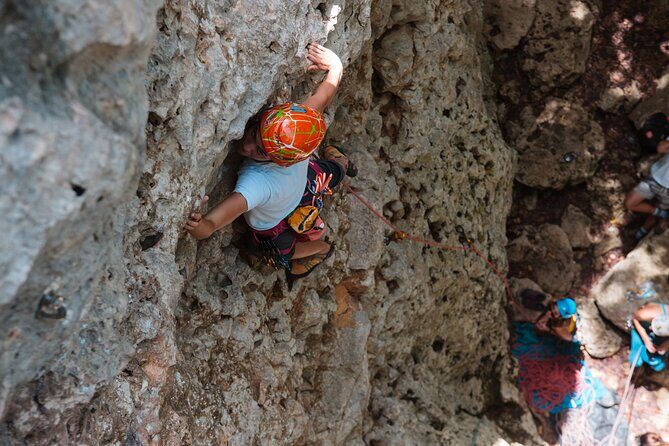
Grades can trick people. Numbers like 5.9 or 5.11c sound like they belong to someone else. Here’s the practical way to think about it: grades are a ceiling, not a promise. What you’ll do depends on your comfort, your belay readiness, and how the instructor matches routes to your day.
At El Mamon, the routes are listed from 5.9 to 5.11c. Nearby, the broader area has routes from 5.6 to 5.13. That mix is helpful because it gives the guide flexibility when your body and nerves wake up at different speeds.
If you’re new, your goal might be:
- staying relaxed while learning to communicate
- climbing with safe, consistent movement
- getting at least one route where technique feels like it’s clicking
If you’re intermediate, your goal might be:
- repeating a route range to build confidence
- working on smoother clipping habits or pacing
- trying slightly harder moves without turning it into a fight
If you’re experienced, you might still appreciate the fresh eyes. A certified instructor can often spot small technique issues fast, which means you climb more efficiently and feel safer.
There’s also a psychology angle. Sport climbing is safe when communication is clear, and you’ll build that clarity with the instruction on commands and belaying. The trip’s design leans hard into that, and it shows in how confident climbers feel on the rock.
Safety on Bolted Limestone: Why This Feels More Secure Than You’d Expect
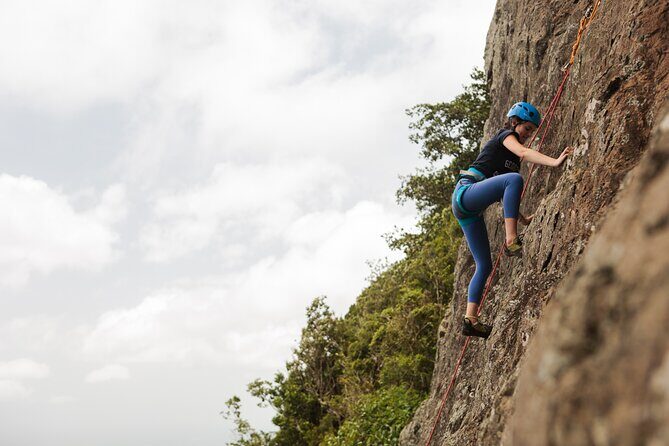
Sport climbing is bolted, which removes a huge uncertainty. But your safety still depends on how you and your belayer execute. That’s why the lesson component is so important here.
I like the way this experience trains the basics you’d want someone to nail for you:
- proper tie-in
- proper belaying technique
- proper use of gear
- proper climbing commands
And there’s a real-world confidence factor too. Diego, one of the instructors, is specifically praised for helping climbers feel super secure on the walls—even when something goes wrong. That kind of calm, correct coaching is what you want on a first real rock day.
If you’re worried about slipping or getting spooked, treat that as normal. The goal is to manage it, not pretend it won’t happen. With a good instructor, you learn how to respond without panic.
Other private tours in San Juan


Gear, Included and Not Included: What to Bring and What to Skip
Good news: you don’t need to hunt down gear for this trip. All climbing equipment is included, including:
- helmet
- harness
- climbing shoes
That’s huge for first-timers. Borrowing or renting the wrong size can ruin a day, and here the equipment is part of the service.
Here’s what isn’t included:
- private transportation
- lunch
- bottled water
So you should budget for food and hydration separately. Since bottled water isn’t provided, don’t plan on running out halfway through your day. If you’re coming from San Juan, make sure you know how you’ll reach Bayamón by the 9:00 am start.
Because transportation is not included, you’ll get more value if you can handle the logistics without stress—either with your own rides or by arranging travel ahead of time. Otherwise, you might lose some of the day to “getting there,” which is not why you booked climbing.
Price and Value: $165 Private Instruction + Real Routes Nearby
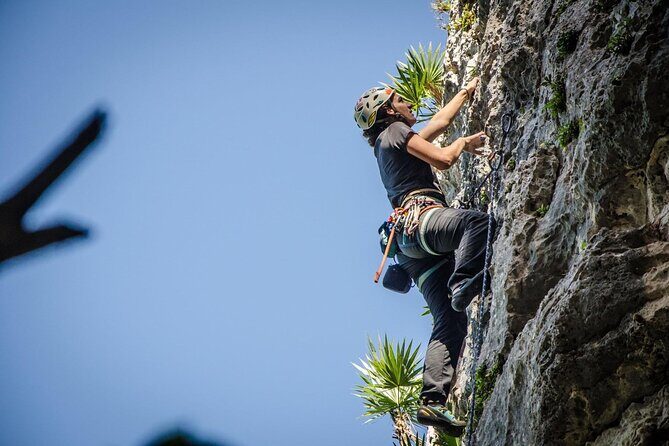
At $165 per person, you’re paying for three things at once: certified instruction, a private outing format, and climbing gear. That’s a solid bundle for a first rock experience, especially since beginner training is built into the trip.
A couple points make the price feel more reasonable:
- Equipment is included, so you’re not paying extra for rental gear.
- The trip is private, which means attention and coaching time aren’t diluted.
- The guide can tailor your climbing goals, whether that’s technique practice or fun routes.
You’ll still add your own costs:
- transportation to the meeting point
- lunch
- bottled water
Also, the experience is typically booked about 50 days in advance on average, which hints that popular dates fill up. If you have specific days, booking sooner can help.
There’s also mention of group discounts. If you’re traveling with friends who want the same kind of instruction, that can lower your per-person cost while keeping the private feel.
The bottom line: you’re buying a coaching-first day on real limestone, not just a ticket to “try climbing.” For many people, that’s where the real value is.
Who This Trip Fits Best (and When to Choose Another Plan)
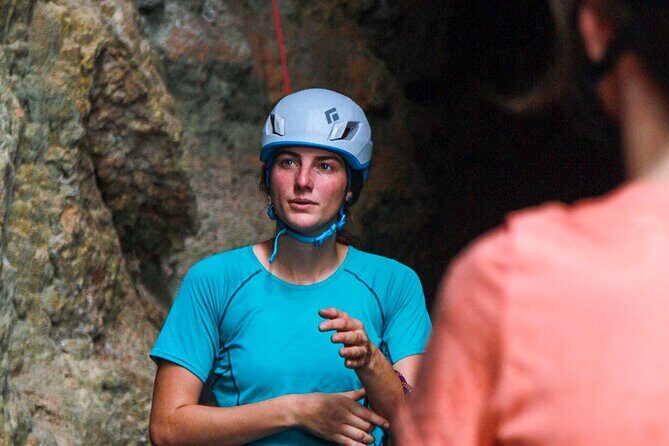
This one fits you if you want real climbing instruction, not only climbing time. It works great for:
- beginners who want to learn tying in and belaying
- intermediates who want structured feedback and route matching
- experienced climbers who still want a certified guide’s coaching and local-area knowledge
The trip notes a moderate physical fitness level. That doesn’t mean you need to be an athlete, but you should be ready for active climbing, standing around while waiting your turn, and moving through a full-day schedule.
It also relies on weather. You should plan for the possibility of rescheduling if conditions aren’t right, because this is an outdoor activity on rock.
If you’re the type who hates any lesson component, you might find it more instructive than casual. But if you like doing things correctly and learning while having fun, you’ll likely enjoy the format.
Should You Book Rocaliza’s Puerto Rico Climbing Trip?
Yes, if you want a first-timer-friendly day that still feels legit. The combination of AMGA SPI instruction, private coaching time, and real sport climbing at crags with 250+ bolted routes nearby makes it an efficient way to turn “I want to try rock climbing” into actual skills.
Book it if you’re excited by the idea of El Mamon’s melted wax wall limestone shapes and you’d like a guide who can also suggest what to do around Puerto Rico beyond the crag. The best part is that the day is built around your level, not a one-size route list.
I’d think twice if you can’t commit to good weather, or if you strongly prefer the trip to include meals and water. Those basics are on you here, and you’ll feel it over a full 8-hour session.
FAQ
Where does the climbing trip start?
It starts at Parque Nacional Julio Enrique Monagas (meeting point: CV55+PMM), Bayamón, Puerto Rico.
What time does the trip begin?
The start time is 9:00 am.
How long is the experience?
It’s approximately 8 hours.
How much does it cost?
The price is $165.00 per person.
Is this a private tour?
Yes. It’s a private tour/activity, and only your group participates.
What climbing equipment is included?
All climbing equipment is included, including helmet, harness, and climbing shoes.
Do I need previous climbing experience?
No previous experience is required. Beginners will learn basic rock climbing techniques such as tying in and belaying.
What routes and grades do you climb?
You’ll climb at the most developed sport climbing area on the island with over 250 bolted routes ranging from 5.6 to 5.13. The El Mamon sector has 15 sport routes graded 5.9 to 5.11c.
Is transportation, lunch, and water included?
No. Private transportation, lunch, and bottled water are not included.
What happens if weather is poor?
This experience requires good weather. If it’s canceled due to poor weather, you’ll be offered a different date or a full refund. Free cancellation is available up to 24 hours in advance for a full refund.