REVIEW · SAN JUAN
The Wine Route from San Juan
Book on Viator →Operated by Tangol · Bookable on Viator
Wine time outside San Juan feels like a reset. This half-day wine route is a smart way to see San Juan’s vineyards without the hassle of arranging transport, and you get a guided look at how grapes turn into what ends up in your glass. It’s built for people who want real wine time but don’t want to spend a day driving around.
I love that this tour runs on a clear schedule: hotel pickup and drop-off in central areas, then a tight route through the province with stops planned so you’re not stuck waiting around. I also like the variety across the wineries, from boutique cellar history to sparkling and vinegar-style flavors—so you’re not just repeating the same tasting flight three times.
One thing to keep in mind: the tasting itself is not included. You’ll pay around $3 per winery for the degustation, though the tasting ticket value can be credited toward purchases at the warehouse, which helps if you plan to buy something.
In This Review
- Key things I’d plan around before you go
- Why the Wine Route from San Juan is a great half-day plan
- The schedule: what happens from pickup to drop-off
- The first stop set-up: the Province of San Juan intro
- What to expect
- A practical note
- Viñas de Segisa: boutique winery, renovated history, and underground cellars
- Why this stop is worth your attention
- Possible drawback to watch for
- Champanera Miguel Mas: sparkling wines plus a wider flavor world
- What to expect
- Why you’ll probably like it
- Consideration
- Bodegas Y Vinedos Fabril Alto Verde: staged winemaking and a sommelier-led bar tasting
- What makes this stop feel like the payoff
- One practical budgeting tip
- The wine tasting part: cost, value, and how to get more from it
- How to turn the tasting fees into a win
- Group reality
- Getting around and staying comfortable: transport, language, and pace
- Pricing: is $75 worth it?
- Who this tour suits best (and who might not)
- A quick call on booking: should you do it?
- FAQ
- How long is the Wine Route from San Juan?
- How much does it cost?
- Does the tour include hotel pickup and drop-off?
- Which wineries are visited?
- Are wine tastings included?
- If I buy wine, do the tasting fees help?
- Is the tour offered in English?
- How many people are on the tour?
- What is the cancellation policy?
Key things I’d plan around before you go
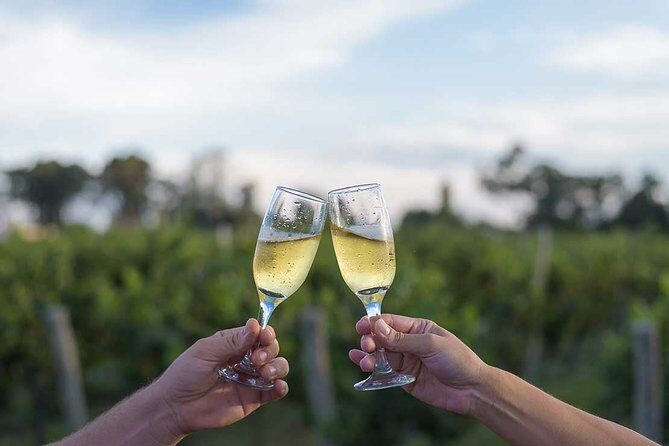
- 3 winery visits in about 4 hours: enough to learn and taste without turning it into a whole travel day
- English-friendly guide: you’ll hear what to look for during tastings, not just stand around with a glass
- Air-conditioned vehicle + group cap (20): calmer pace and easier logistics
- Tasting cost is extra: budget roughly $3 per winery, and expect credit if you buy
- Wineries can change based on availability: use the listed names as the likely plan, not a guarantee
- South of the city scenery: expect mountains and vineyard country as you leave San Juan
Why the Wine Route from San Juan is a great half-day plan
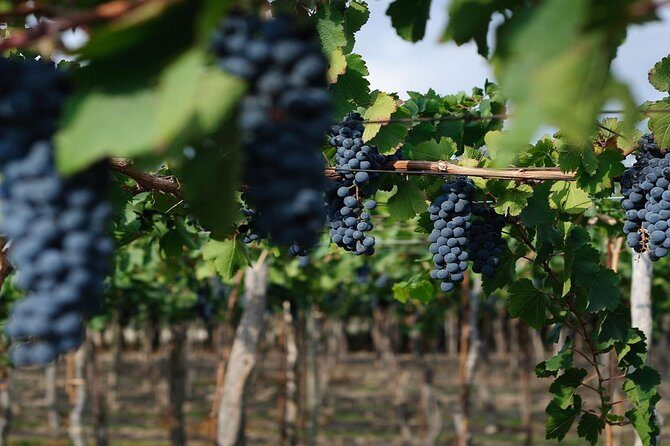
San Juan is a city base with big-country energy around it. If you stay downtown and only do city sights, you miss what makes the region feel special. This tour gives you the best kind of upgrade: you step into vineyard country for about four hours, and you don’t have to figure out roads, parking, or who’s driving.
The pacing is also realistic. You’re not packing in ten stops and rushing through everything. Instead, you get a focused circuit that includes visits to three main wineries in the province of San Juan. That matters because wine tasting isn’t just sipping—it’s learning what you’re tasting and then using that new info on the next pour.
And yes, the practical part counts: wine tours are usually better when nobody has to be the designated driver. With hotel pickup and drop-off, you can relax. You can ask questions, listen, and pay attention to details without trying to keep track of time between locations.
If you're still narrowing it down, here are other tours in San Juan we've reviewed.


The schedule: what happens from pickup to drop-off
The tour starts with pickup from your hotel. The provider notes that pickup works from selected centrally located hotels; if your hotel is outside the pickup area, they’ll confirm the closest meeting point. Either way, you should be ready for a quick start and a smooth flow once you meet the group.
From there, the day is built around time-boxed stops:
- Start / Stop at Province of San Juan (about 15 minutes): You’ll join a circuit visiting three major wineries in the province. The idea here is to set the stage—how the winemaking story runs from land to table—and you get an early taste experience. This stop is short, and admission here is listed as free.
- Stop 2 (about 1 hour): Viñas de Segisa
- Stop 3 (about 1 hour): Champanera Miguel Mas
- Stop 4 (about 1 hour): Bodegas Y Vinedos Fabril Alto Verde
- Finish: After the tastings and learning, you’ll be taken back to your hotel in San Juan.
A quick heads-up for your planning: the wineries may change depending on availability. That doesn’t mean the tour is unstable—it just means the exact roster can shift while keeping the same overall idea: a curated set of visits in the San Juan wine area.
The first stop set-up: the Province of San Juan intro
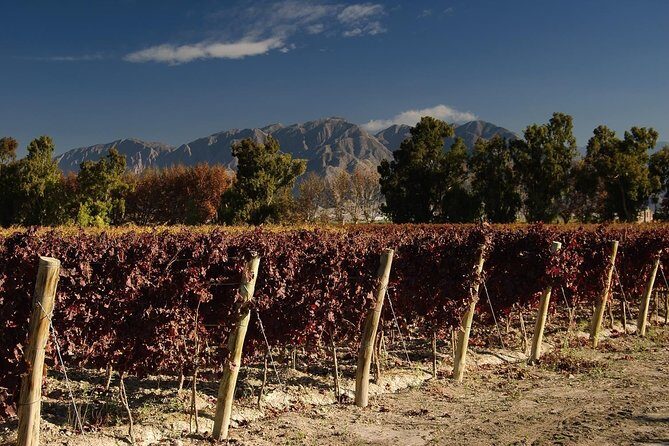
Even though this segment is brief (around 15 minutes), it serves an important purpose. The tour frames what you’re about to see: the province’s winemaking culture and the broader production chain, from vineyard land through the elaboration process.
This quick start also helps you walk into the real winery visits with better context. If you already know what to watch for—how grapes are handled, what makes different styles distinct—you get more from the tasting portion later. It’s the difference between sampling and actually learning your way around a tasting.
What to expect
- A short circuit overview
- A taste component tied into the tour flow
- A focus on how wine and related products are made in the province
A practical note
Because the first stop is short, don’t assume you’ll get a deep tour here. Think of it as orientation—useful, but not the main event.
Viñas de Segisa: boutique winery, renovated history, and underground cellars
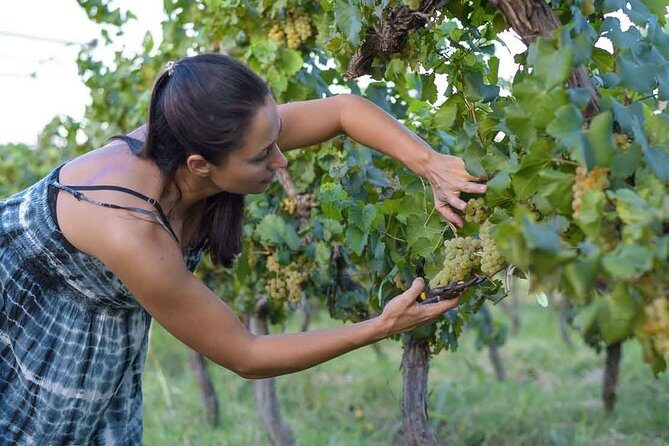
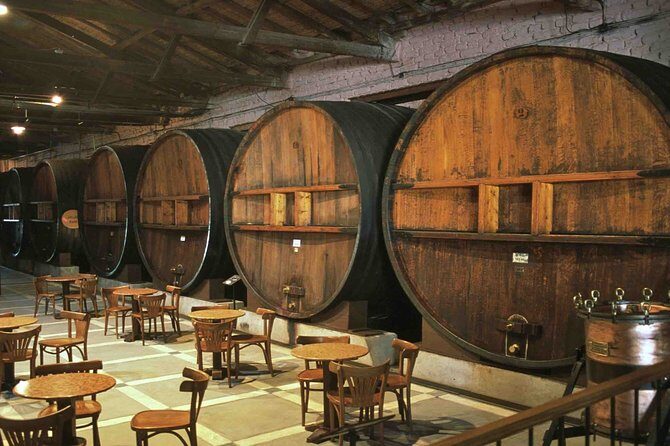
Your second stop is Viñas de Segisa, described as the first boutique winery in San Juan. The standout detail is the setting: a hall from the beginning of the last century that’s been renovated, plus underground cellars, oak barrels, and vineyard surroundings.
This is the kind of place where you can learn without feeling like you’re in a textbook. The tour approach is hands-on: you’ll be able to see the physical environment where wine development happens and connect that to how the final product tastes.
Why this stop is worth your attention
- Old infrastructure + wine production logic: the underground cellars and oak barrels aren’t just scenery; they explain how wineries shape flavor over time
- A boutique feel: more personal than huge production sites
- A focus on the processes of elaboration and tasting
Possible drawback to watch for
The tour promises one-hour timing, but boutique wineries can sometimes feel more intimate and less “showy.” If you’re expecting massive, high-energy production tours, you might want to adjust your expectations and focus on the details instead.
Champanera Miguel Mas: sparkling wines plus a wider flavor world
Next up is Champanera Miguel Mas, a family business set in an area of exceptional fertility. The setting matters here because they point to the natural inputs: the vineyards are surrounded by mountains, and irrigation comes from meltwater from the Andes Mountains.
This stop is interesting because it’s not only about sparkling wine. The description also includes balsamic Aceto and organic vinegar made from garden fruit. That means the tasting conversation can go beyond red and white and into more unusual tasting territory.
What to expect
- A guided visit focused on how their products are made
- A tasting style that may include sparkling and vinegar-style notes
Why you’ll probably like it
If you like the idea of understanding taste families—what sweetness looks like, how acidity behaves, and how fruit source changes everything—this stop is a good match. It’s a chance to expand what you consider wine-related.
Consideration
Because the tour overall is only four hours, you’ll want to keep your questions tight. Ask what matters most to you: production steps, how they decide harvest timing, or what to notice in the glass.
Bodegas Y Vinedos Fabril Alto Verde: staged winemaking and a sommelier-led bar tasting
The final winery stop is Bodegas Y Vinedos Fabril Alto Verde. Here, the visit is about seeing the different stages of winemaking across their various types of wine and sparkling wines.
The last part of the experience is the tasting in a wine bar, led by an expert sommelier. This is the moment where your earlier context pays off. A sommelier-led session usually works because the guide doesn’t just hand you a list of flavors—they help you connect the flavors to what’s happening in production.
What makes this stop feel like the payoff
- You get a clear sequence of winemaking stages
- You finish with guidance on how to assess wine, not just taste it
- A guided wine bar format is usually less rushed and more focused than a basic tasting table
One practical budgeting tip
Since tastings cost extra (about $3 per winery), this is a good stop to decide how you want to spend your tasting budget. If you’re considering buying wine, remember the tour info says the value of the dégustation ticket is taken as credit if you purchase in the warehouse. So if you plan to buy something at the end, the last stop may become your best chance.
The wine tasting part: cost, value, and how to get more from it
Here’s the deal: the included portion covers the visits to 3 wineries and the professional guide, but tasting is listed as not included—roughly $3 per winery. In many places, that means you pay an additional fee at each stop.
That might sound like an “extra,” but it can also be fair value. You’re touring three wineries in a half day, with a guide and transport. Paying a small tasting fee at each stop is what keeps the format moving—and it forces you to decide where you want to taste more deeply.
How to turn the tasting fees into a win
- If you want to buy something, plan around the credit rule: the tasting ticket value can be applied toward a purchase at the warehouse.
- Ask your guide what to notice for each style you’re tasting. For example, if you’re sampling sparkling wines, focus on acidity and bubbles; if you’re sampling vinegar-related products, focus on how it feels on the palate.
Group reality
With a maximum of 20 travelers, tastings tend to stay manageable. Still, you’ll get more out of it if you keep your questions short and specific so you don’t stall the flow.
Getting around and staying comfortable: transport, language, and pace
The tour includes an air-conditioned vehicle, which matters in warm weather. Comfort helps when you’re touring back-to-back winery visits, because you’ll spend more time paying attention and less time feeling frazzled.
You also get a professional guide speaking English. That’s a big value point for anyone who wants more than a casual pour. Wine tasting is full of vocabulary, and a guide can help you translate what you’re experiencing into something you can remember.
Finally, the group size cap (up to 20) helps with the overall feel. You still get social energy, but you’re not packed like a tour bus of strangers where it’s hard to ask questions.
Pricing: is $75 worth it?
At $75 per person for about four hours, this is priced like a structured, guided experience with transport. The biggest variable is that tastings are extra.
So the real cost depends on your tasting habits:
- You’ll likely add around $3 per winery if you take the tasting at each stop.
- You may also end up buying wine, and the tasting credit rule can soften that decision.
Where the value really shows up is in the included pieces:
- Hotel pickup and drop-off (centrally located hotels)
- A guided format that teaches you what to look for
- Three winery visits in one efficient circuit
If you’re trying to do wineries on your own, you’d spend time and money on transport, and you’d lose the guided translation of the tasting experience. This tour keeps those costs and headaches bundled.
Who this tour suits best (and who might not)
This is a great match if you:
- Want a wine-focused outing without driving
- Enjoy learning the tasting side—what to notice and how production connects to flavor
- Like the idea of a half-day plan that still feels like a real excursion outside the city
It’s less perfect if you:
- Hate paying extra at each stop. The tasting fee is part of the structure.
- Are expecting only huge, flashy wineries. Some stops may feel more intimate and process-focused.
A quick call on booking: should you do it?
If your goal is to experience San Juan wine culture in a short time, I think this is a smart booking. The hotel pickup, English-guided format, and three-winery route make it practical and efficient. Plus, the sommelier-led tasting at the end is the kind of finishing touch that turns a scenic afternoon into something you’ll actually remember.
Book it if you’re okay treating tastings as an add-on and you’re open to learning while you sip. Skip it only if you want tasting included in the base price or you’re looking for a longer, slower winery day.
If you go, do this: come with one or two questions you genuinely care about (sparkling vs. still, fermentation basics, how acidity shows up). You’ll get more from the tastings, and the whole route feels less like a checklist.
FAQ
How long is the Wine Route from San Juan?
It lasts about 4 hours (approx.).
How much does it cost?
The price is $75.00 per person.
Does the tour include hotel pickup and drop-off?
Yes. Hotel pickup and drop-off are included for centrally located hotels. If your hotel is outside the area, you’ll be told the closest meeting point.
Which wineries are visited?
The tour visits 3 wineries in the province of San Juan, including Viñas de Segisa, Champanera Miguel Mas, and Bodegas Y Vinedos Fabril Alto Verde. The wineries to visit may change depending on availability.
Are wine tastings included?
No. Wine tasting is not included and is listed at approximately $3 USD per winery.
If I buy wine, do the tasting fees help?
Yes. The value of the dégustation ticket is taken as credit if you purchase in the warehouse.
Is the tour offered in English?
Yes, it’s offered in English.
How many people are on the tour?
There is a maximum of 20 travelers.
What is the cancellation policy?
You can cancel for a full refund if you cancel up to 24 hours in advance of the experience’s start time.