REVIEW · SAN JUAN
Caribbean Food Experience
Book on Viator →Operated by Try Cooking San Juan · Bookable on Viator
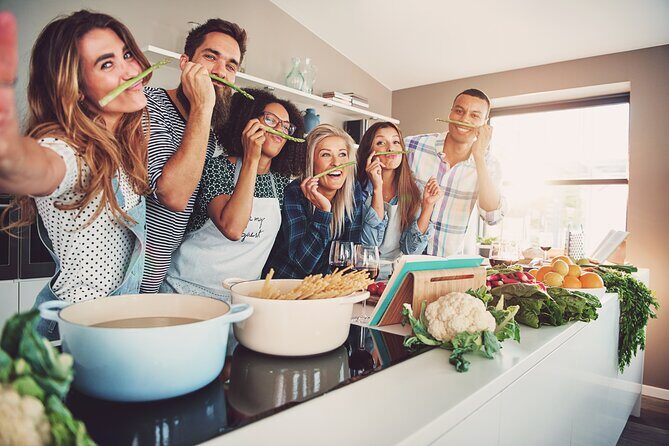
Cooking in Piñones feels like a party with food. This relaxed small-group class led by chef Mauro turns Puerto Rico’s pantry staples—sofrito and adobo—into real, edible lessons as you cook and taste your way through a full meal. I love how hands-on it feels without pressure, and I love that you learn why key ingredients matter, not just how to follow steps. The one catch: it’s weather-dependent, so plan for a change if conditions aren’t good.
You’ll spend about 2 hours making classic dishes and drinks, then eating what you just helped create. Expect piña coladas, tostones baskets, and quesitos, plus generous tastings of other Puerto Rican favorites. If you’re tight on time or you prefer restaurant-only travel, this may feel like a lot of kitchen time for a short stay.
In This Review
- Key Things I’d Highlight Before You Book
- Puerto Rico’s Piñones Cooking Class: The Real Point of the 2 Hours
- Getting to Piñones: Where You Meet and What That Means
- Chef Mauro’s Teaching Style: Relaxed, Practical, and Funny When It Counts
- What You Learn From Sofrito and Adobo (and Why It Matters in Real Cooking)
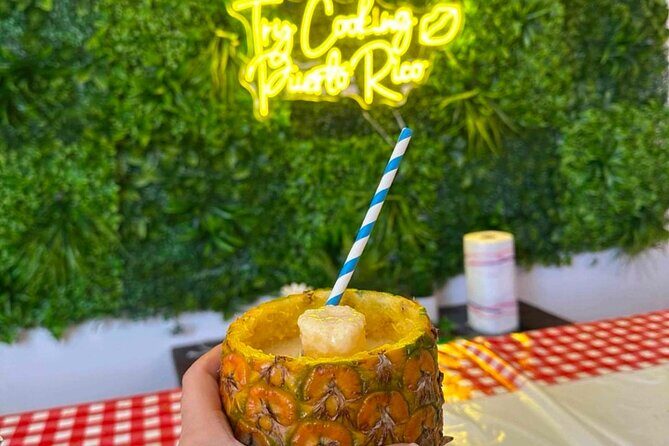
- Making Piña Coladas the Puerto Rican Way
- Tostones Baskets: Crunchy, Handy, and Easier Than You Think
- Quesitos: The Sweet Pocket You’ll Want to Repeat
- Mofongo Cups and the Chicken Twist: The Comfort Part of the Meal
- Tasting Flow: Eating While You Cook (Not After Hours of Waiting)
- Dietary Needs: Ask Early, Then Expect Real Options
- Who This Cooking Tour Is For (and Who Might Prefer Something Else)
- Price and Value at $89: Why This Feels Fair
- Practical Tips Before You Go
- Should You Book the Caribbean Food Experience in Piñones?
- FAQ
- FAQ
- How long is the Caribbean Food Experience?
- Where does the tour start and end?
- What is the price per person?
- How large is the group?
- What can I expect to cook or make during the class?
- Is the ticket digital?
- Is the tour dependent on weather?
- Are service animals allowed?
- Is there free cancellation?
Key Things I’d Highlight Before You Book
- Chef Mauro leads the flow with a relaxed, down-to-earth style that keeps beginners comfortable
- You’re cooking AND tasting: piña coladas, sofrito, tostones baskets, and quesitos are all part of the experience
- Piñones is the real setting—a coastal neighborhood that feels away from the main tourist strip
- Big flavor comes from simple ingredients like plantains, sofrito, and adobo, taught in practical steps
- Dietary help can be possible; one guest with celiac needs was supported with a gluten-free dessert
Puerto Rico’s Piñones Cooking Class: The Real Point of the 2 Hours
This is a small-group food experience in San Juan’s Piñones area, capped at 12 travelers, which matters more than you’d think. With a group that size, you’re not watching from the back row. You get time to ask questions, get corrected, and actually build confidence with techniques like frying plantains and assembling savory pockets.
The pacing is designed for people who are curious, not people who already know their way around a stovetop. You’ll spend about 2 hours cooking and tasting. That’s long enough to make multiple dishes, and short enough that it doesn’t eat your whole day.
And yes, you’ll eat well. This isn’t a token sampler. The class includes generous tastings of classic Puerto Rican dishes prepared for you as you go.
Other San Juan food tours weve reviewed


Getting to Piñones: Where You Meet and What That Means
You meet at Try Cooking Puerto Ricolado, opposite Centro Comunal Piñones, on PR-187 in Carolina/Loíza (00772), Puerto Rico. The experience ends back at that same meeting point.
Why does this location matter for your planning? Piñones is a coastal area, and getting there can take real time if you’re staying in the most central spots. If you’re trying to squeeze everything into a packed itinerary, check your travel time first. Build in buffer. You want to arrive not rushed, ready to cook.
Also, since the tour requires good weather, having a flexible mindset helps. If conditions force a change, you’ll want to be near enough to adjust your day without major stress.
Chef Mauro’s Teaching Style: Relaxed, Practical, and Funny When It Counts
The guide here is the star of the room: Mauro. You’ll feel it in how the class runs—no stiff lecture energy. Instead, it’s the kind of lesson where you can ask what seems like a basic question and still get a real answer.
A big part of why people love this tour is that it stays friendly while moving at a good pace. You learn traditional techniques, but it never feels like a test.
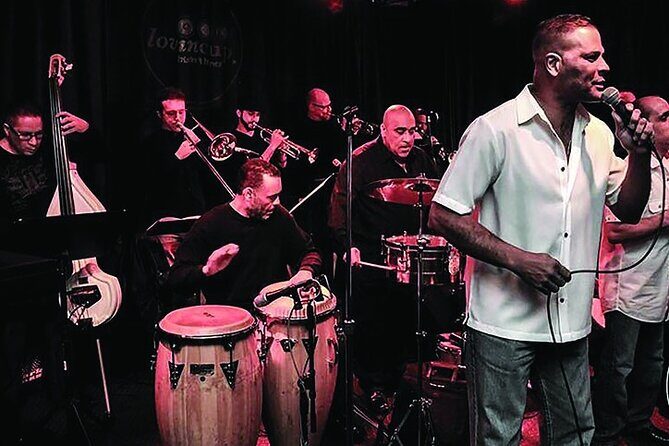
There’s also music in the background (salsa plays a role), which makes the class feel social even when you’re focused on getting the next step right. The vibe helps if you’re traveling with family or as a couple and you want the experience to feel like a shared day, not a forced group activity.
What You Learn From Sofrito and Adobo (and Why It Matters in Real Cooking)
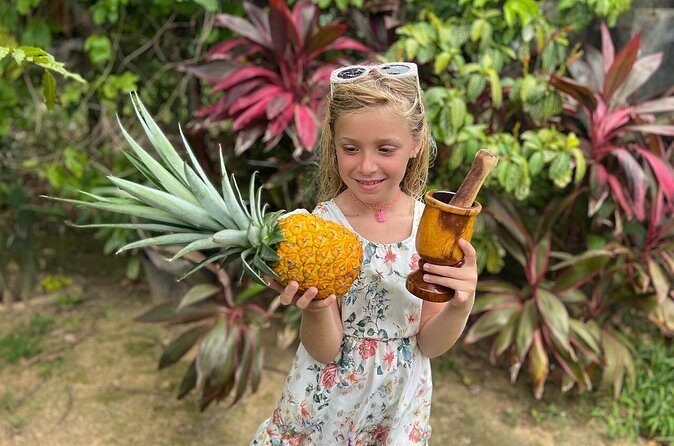
Puerto Rican cooking often starts with flavor bases, and this class gives you the practical version of that idea. You’ll learn about essential island ingredients like sofrito and adobo, and you’ll see how they shape taste in multiple dishes.
Here’s the takeaway that actually helps you later: sofrito isn’t just a label. It’s a method. Once you understand how it’s built and used, it stops being confusing and starts being usable. Same with adobo—it becomes a way to add depth fast, instead of a mysterious spice mix.
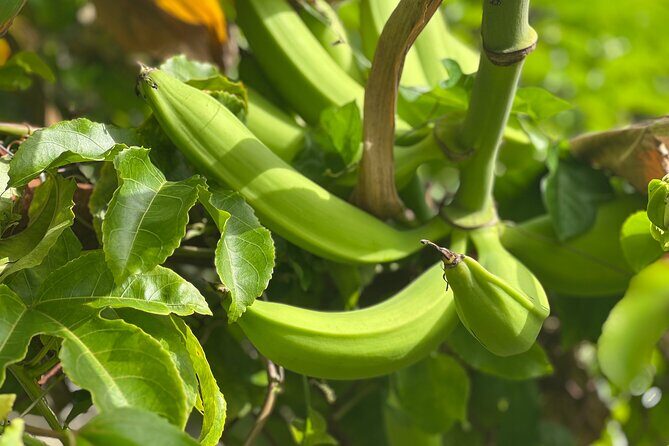
You’ll also work with plantains, which show up in different forms. One of the coolest surprises: if you think you don’t like plantains, the cooking here can change your mind. Plantains can taste sweet, savory, crispy, and soft depending on how they’re treated and what they’re paired with.
If you want to cook at home afterward, this class gives you a simple flavor framework you can reuse beyond the specific dishes you make during the session.
Making Piña Coladas the Puerto Rican Way
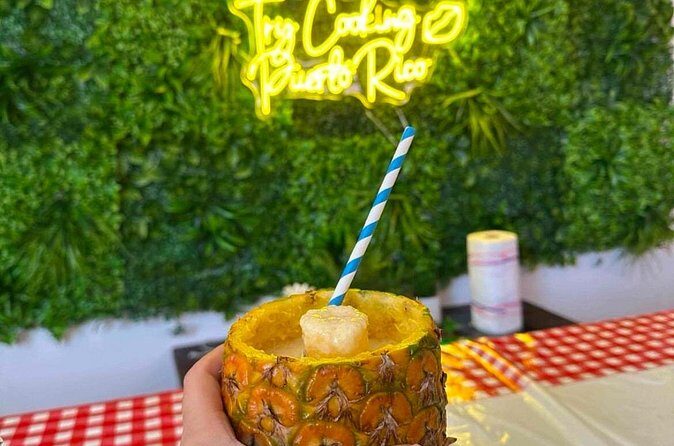
Yes, you’ll make piña coladas. And no, this is not just measuring sugar and calling it a day.
You’ll work through a fresh version of the drink, and the class includes plenty of time to taste and adjust. One of the joys here is that you’re doing it while learning how island flavors balance: sweetness, fruit, and the right chill-ready finish.
In the experience, the emphasis stays on freshness and feel-good simplicity. People leave talking about how good the piña coladas are, especially when they’re made with fruit-forward flavor.
If you’re someone who usually thinks of drinks as an add-on, this class flips the script. The drink becomes part of the flavor education.
Other food & drink experiences in San Juan






Tostones Baskets: Crunchy, Handy, and Easier Than You Think
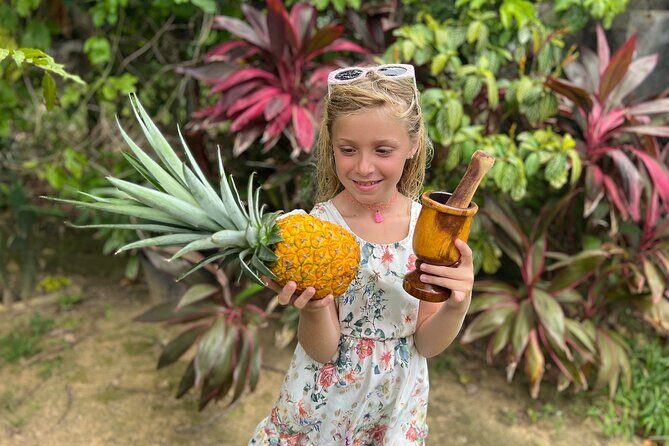
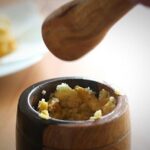
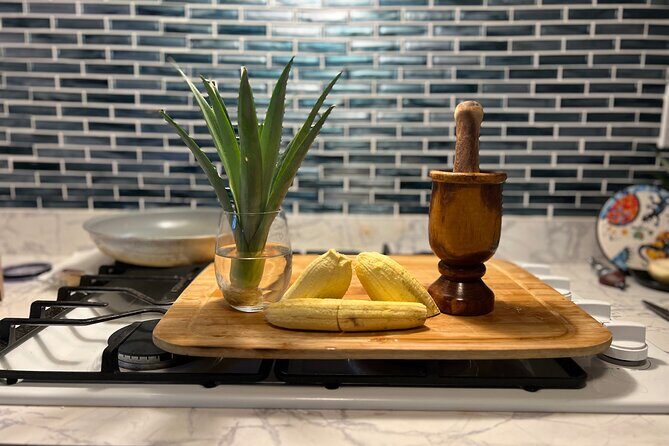
Tostones are a Puerto Rican classic, and here they get a fun twist. You’ll learn to make tostones baskets, which means you’re not just frying plantain slices—you’re turning them into a shaped, edible carrier for toppings.
That’s a big deal because it changes how you experience tostones. Instead of a side dish, you get an easy “hold it in your hand” format. It’s perfect for tasting while the rest of the meal is still in motion.
The frying steps are where this class turns into a skill-building session. You learn the practical rhythm—how to get crisp edges, how to work in the right stage of doneness, and how to keep the result from turning soggy.
If you’re a beginner, you’ll likely appreciate that the class keeps you moving in small steps rather than tossing you into chaos.
Quesitos: The Sweet Pocket You’ll Want to Repeat
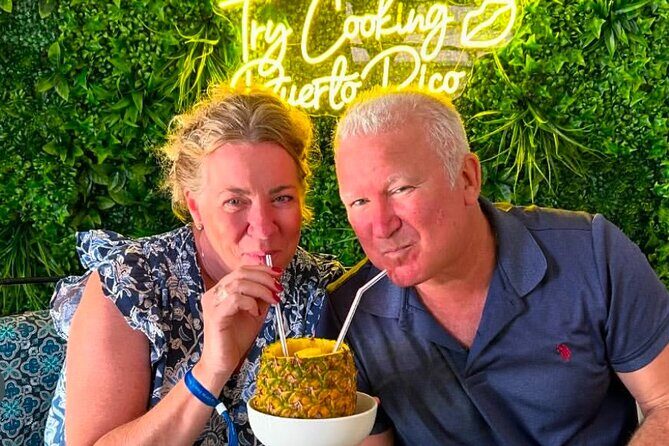
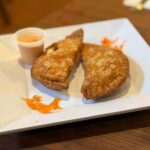
Then comes the sweet course: quesitos. These are hand-held, pastry-style treats you’ll make during the experience.
What makes this part memorable is that it feels like a real Puerto Rican dessert, not a generic “tour snack.” The goal isn’t just eating sugar. It’s making something that represents home-style comfort food and brings the meal full circle.
You might also encounter a guava pastry treat during the course. Guava shows up a lot in Puerto Rican sweets, and pairing it with pastry and fruit flavor gives you that warm, familiar sweetness people remember long after the cooking part ends.
If you’re a dessert person, this is where you’ll start thinking about grabbing the ingredients back home and testing your results.
Mofongo Cups and the Chicken Twist: The Comfort Part of the Meal
One of the standout dishes you can expect is mofongo-style preparation, including a version that includes chicken. In the class flow, you’ll make and taste something in the mofongo cups style, which helps you see how the same base can feel new depending on how it’s portioned and served.
This is also where plantain appreciation often flips. Many people come in neutral about plantains, then leave liking them a lot more because the method and pairing do the work. The flavor feels balanced rather than harsh or overly starchy.
If your idea of mofongo is only “heavy,” the way the class plates and pairs it can surprise you. You get comfort food with structure.
Tasting Flow: Eating While You Cook (Not After Hours of Waiting)
A lot of cooking classes are split into two awkward halves: cook, then wait, then eat. Here, you get a more natural flow. You’re tasting as dishes come together, so the experience stays lively and your attention stays on the food.
You’ll also enjoy generous tastings of classic dishes made fresh for the group. That matters because it means the meal isn’t built from leftovers or rushed reheats. The goal is to let you learn and taste at the same time.
Pair that with the drinks, including fresh piña coladas, and you end up with a meal that feels complete rather than like a collection of small samples.
Dietary Needs: Ask Early, Then Expect Real Options
One of the best signs this class works beyond just average preferences is how dietary issues can be handled. A guest with celiac needs was supported with a gluten-free dessert option during the experience.
That doesn’t mean every ingredient can be swapped in every case, but it does mean you’re not stuck with a useless plate. If you have dietary needs, tell the organizer when you book so they can plan the right adjustments.
This is also a good tour to consider if you want a food experience without having to hunt for safe meals alone.
Who This Cooking Tour Is For (and Who Might Prefer Something Else)
This works especially well if you’re:
- A couple or small group who wants a shared activity built around food
- A beginner cook who wants practical guidance, not chef-only jargon
- Someone who likes learning ingredients like sofrito and adobo and wants to use them later
- A traveler who wants to experience Piñones without doing it alone
It may be less ideal if you:
- Have very limited mobility or can’t stand for about two hours (the class is active and hands-on)
- Want a purely sit-and-eat experience with no kitchen steps
- Are traveling at a time where weather often gets unpredictable, since the tour needs good conditions
Price and Value at $89: Why This Feels Fair
At $89 per person for about 2 hours, you’re paying for more than a meal. You’re paying for instruction, cooking time, multiple prepared items, and tastings that add up to a full Puerto Rican-style experience.
The small-group size (max 12) is part of the value. It’s what makes the class feel personal instead of crowded. You can ask questions and get responses while you’re cooking.
Then there’s the range: piña coladas, sofrito-focused learning, tostones baskets, and quesitos. When an experience stacks multiple dishes plus drinks, $89 starts to feel like a cooking meal deal rather than a pricey demo.
If you enjoy hands-on travel and want food you can recreate, this price makes sense.
Practical Tips Before You Go
A few practical things will make your class smoother:
- Wear clothes you can get a little messy. You’ll be cooking.
- Arrive a bit early so you’re not rushing into the kitchen process.
- If you care about dietary needs, mention them at booking so adjustments are easier.
- If you’re sensitive to strong smells from frying, consider that your nose will be near the kitchen work.
One more tip: go in hungry and ready to learn. The best part isn’t just eating. It’s understanding the steps that make the food taste right.
Should You Book the Caribbean Food Experience in Piñones?
If you want an authentic Puerto Rican meal with actual cooking skills attached, I’d book this. You’ll leave with a better sense of how sofrito, plantains, and traditional techniques work together, plus a full plate of food and a great drink you made yourself.
Skip it only if you want a relaxed sightseeing day with zero kitchen time, or if weather risk would make a possible reschedule a problem. Otherwise, this is a fun, small-group class that focuses on flavor and real practice in Piñones.
FAQ
FAQ
How long is the Caribbean Food Experience?
It runs for about 2 hours.
Where does the tour start and end?
It starts at Try Cooking Puerto Ricolado opposite Centro Comunal Piñones on PR-187, Carolina, Loíza 00772, Puerto Rico, and it ends back at the same meeting point.
What is the price per person?
The price is $89.00 per person.
How large is the group?
The experience has a maximum of 12 travelers.
What can I expect to cook or make during the class?
You’ll learn how to make piña coladas, sofrito, tostones baskets, and quesitos.
Is the ticket digital?
Yes, it uses a mobile ticket.
Is the tour dependent on weather?
Yes. The experience requires good weather, and if it’s canceled due to poor weather you’ll be offered a different date or a full refund.
Are service animals allowed?
Yes, service animals are allowed.
Is there free cancellation?
Free cancellation is offered up to 24 hours in advance for a full refund.